Nanjing’s Mining Legacy: From Abandonment to Rebirth
Nanjing, a city blending ancient charm with modernity, harbors a lesser-known treasure: rich mineral resources like copper, iron, and strontium. Centuries of mining have left indelible marks, though resource depletion has rendered many mines obsolete. Yet, these abandoned sites are experiencing a renaissance, transforming into breathtaking landscapes.
Our club visited several renowned mining pits in Nanjing and facilities transformed from them, explored the approaches and values of mining pit governance and utilization, and produced a documentary short film to record the experience. These cases are of universal significance and replicability, serving as references for the governance of similar mining pits.
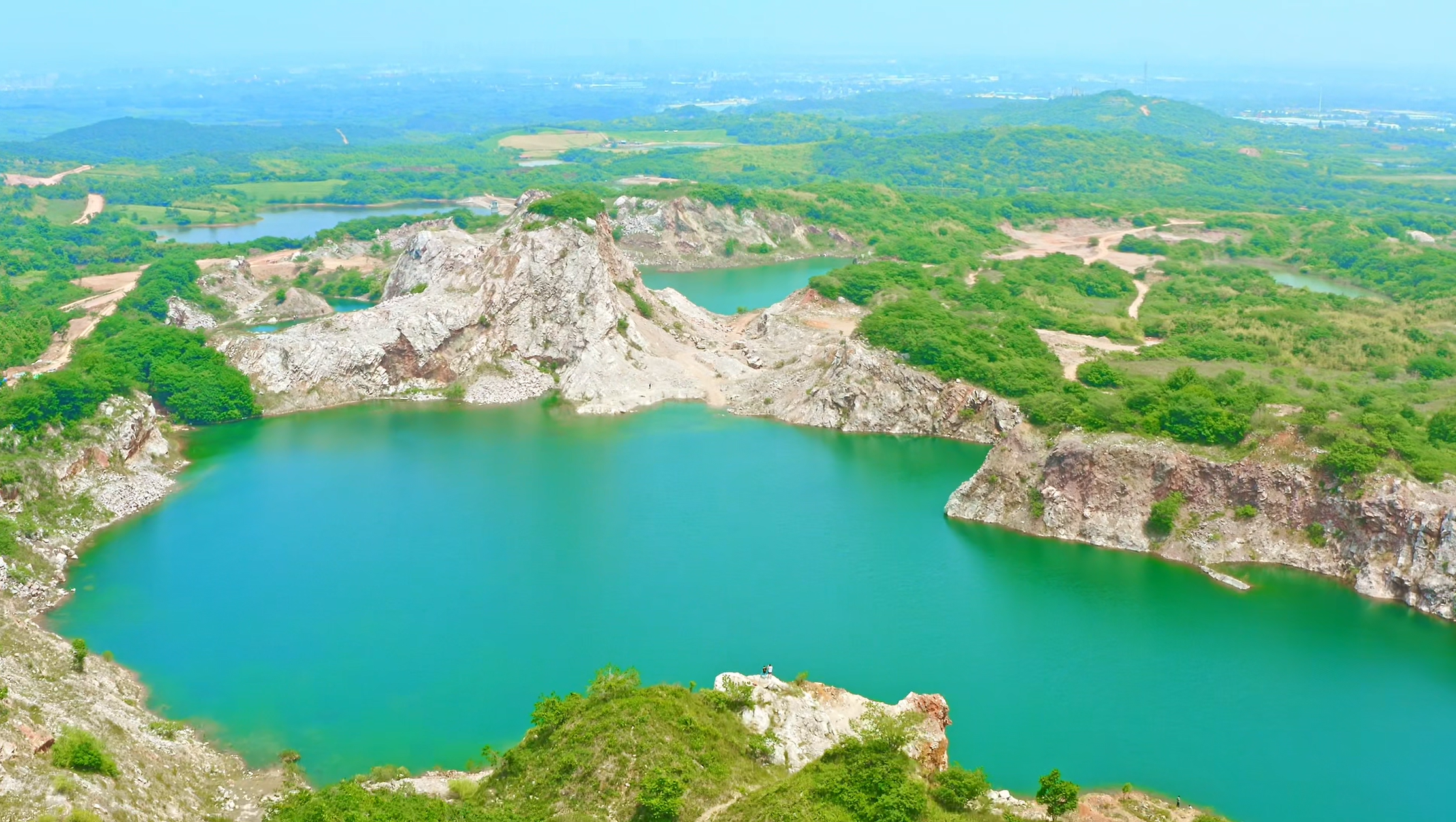
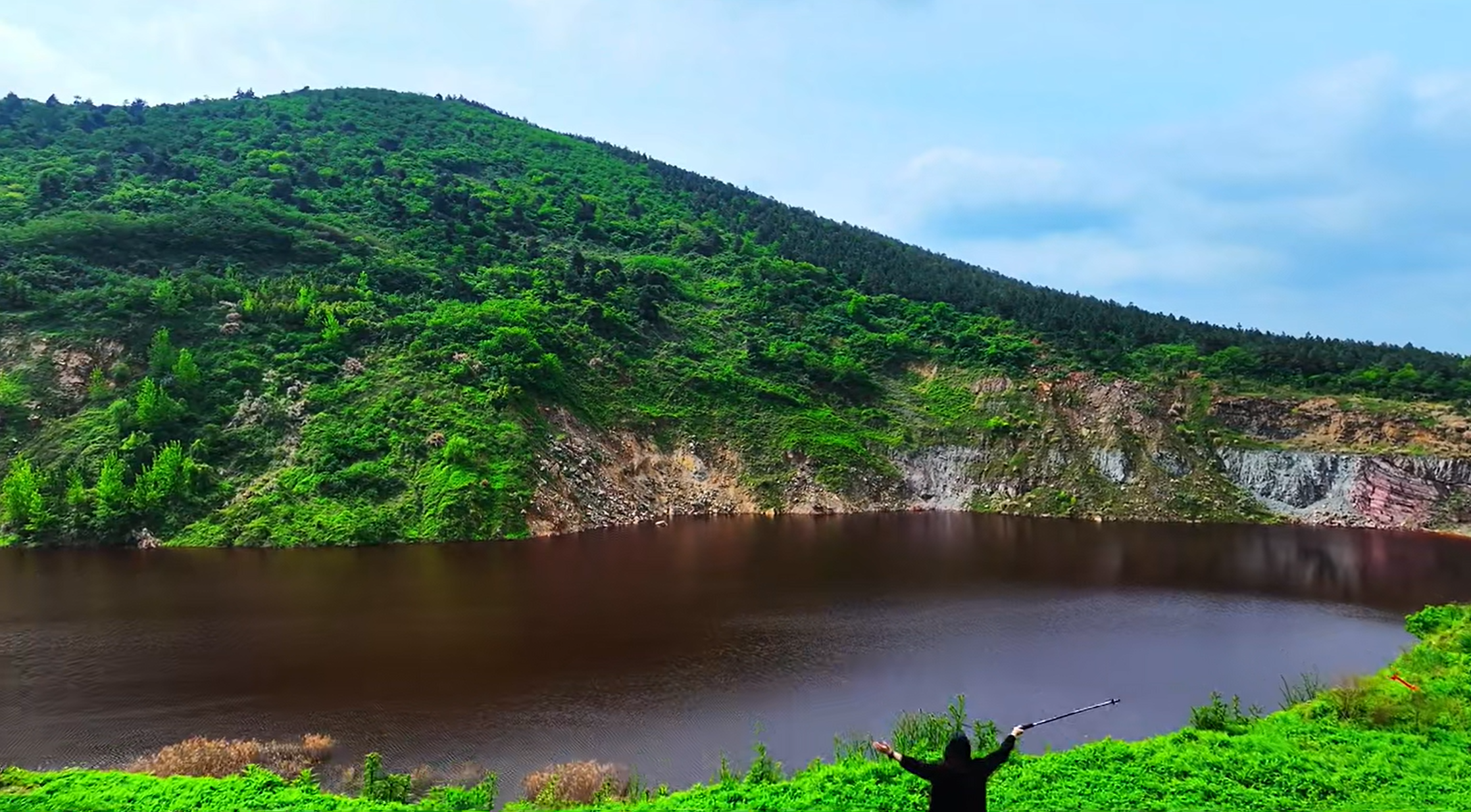
Funiu Mountain’s Little Blue Lake, a former copper mine, now dazzles with crystal-clear waters dyed azure by copper ions interacting with surrounding minerals. Jiangning’s Boca Lake, a heart-shaped pit from mining activities, glows jade-green under sunlight, evoking Tibet’s mystical Namtso Lake. Hengwang Mountain’s Coffee Lake, rich in iron, presents a rare reddish hue reminiscent of mellow coffee.
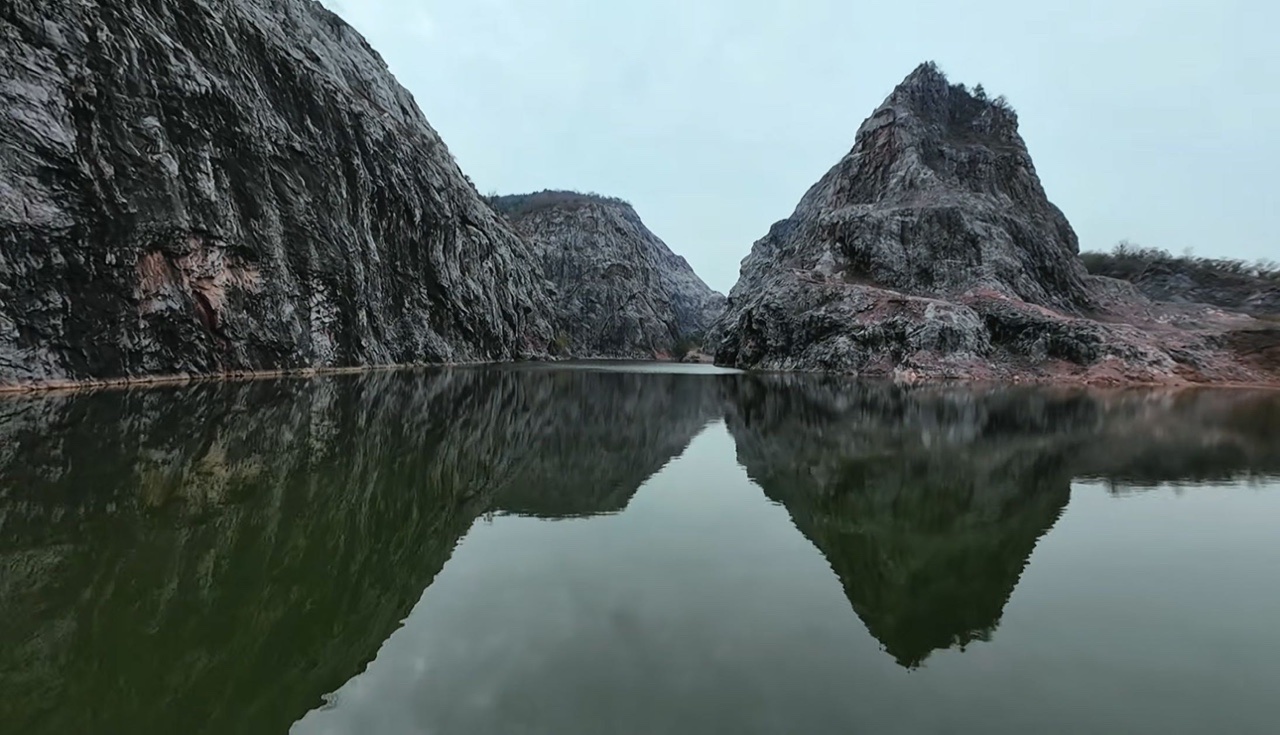
The Ten Mile Depression, dubbed Nanjing’s “Small Three Gorges,” evolved from a 19th-century quarry into a serene landscape with towering cliffs and winding waters. Hengshan Yuhua Stone Mine’s Heavenly Lake, once a bustling mining zone, now hosts lush vegetation and deep pools, attracting waterbirds.
Ecological restoration projects have revitalized sites like Tangshan Mine Park, where limestone quarries became an art-filled ecological haven. Banyan Tree Hotel integrates natural mine elements with modern architecture, offering hot spring baths amid fog-waterfall landscapes. The Hive Hotel, perched on Laojun Mountain cliffs, resembles a futuristic “Alien Base” with honeycomb-inspired designs.
Niushou Mountain’s Buddha Palace, built in a 60-meter-deep mine pit, symbolizes harmony between nature and spirituality, with its underground palace and twin towers. These sites, once symbols of industrial decay, now narrate Nanjing’s ecological and cultural revival, proving that human ingenuity can heal scars left by time.