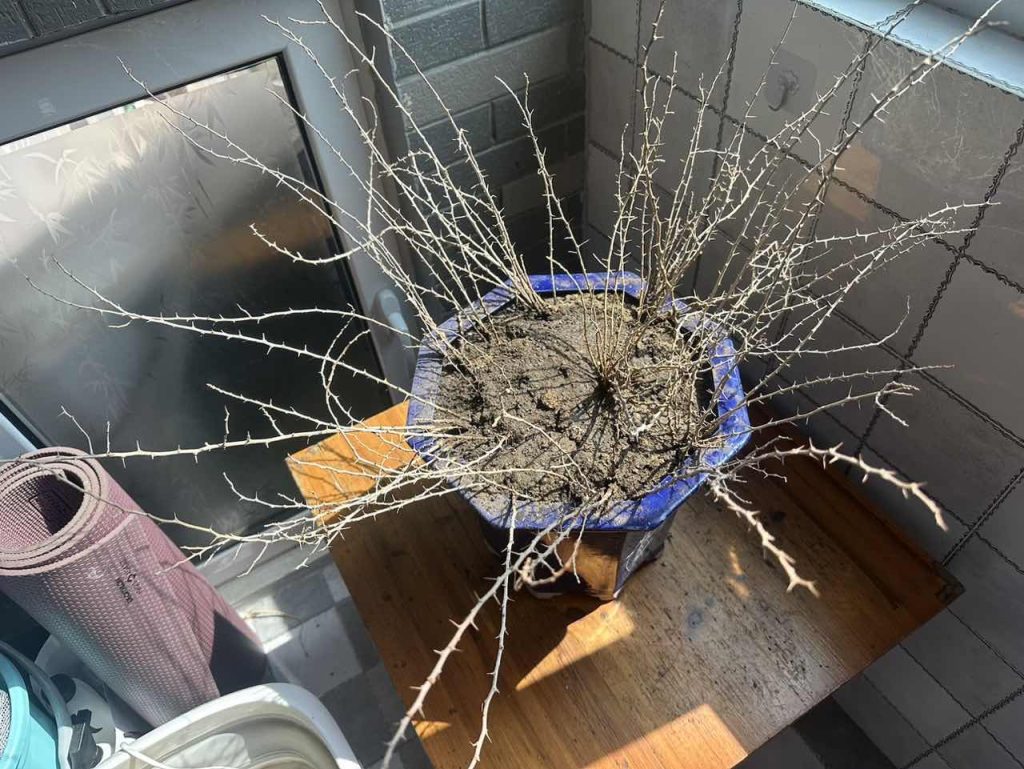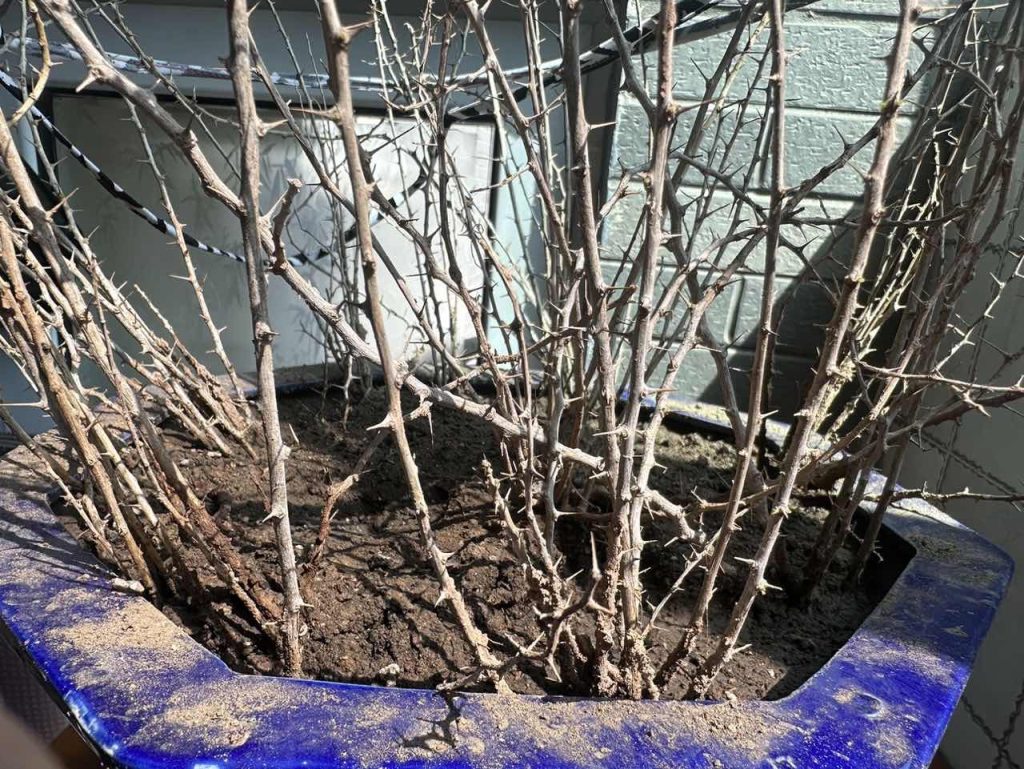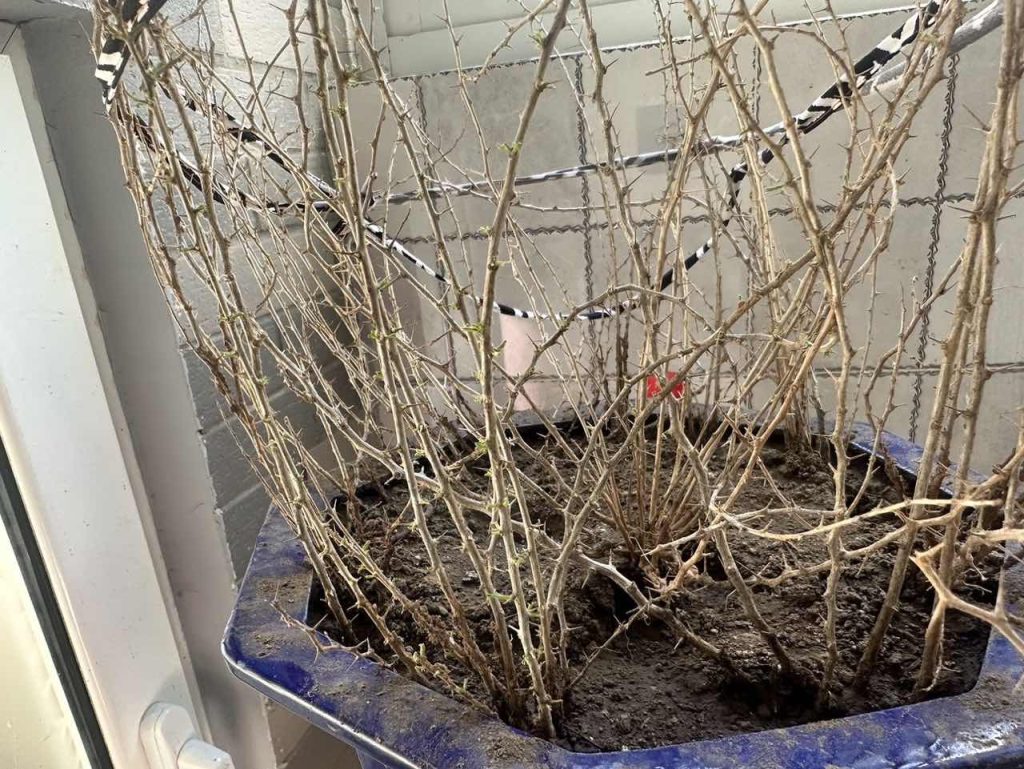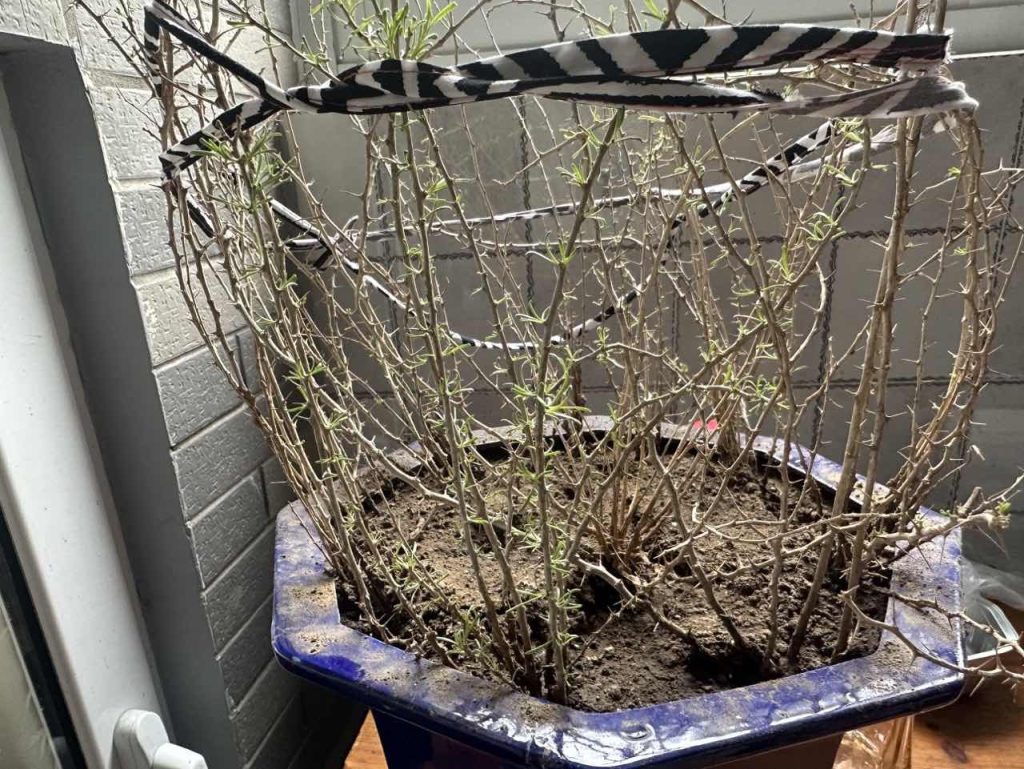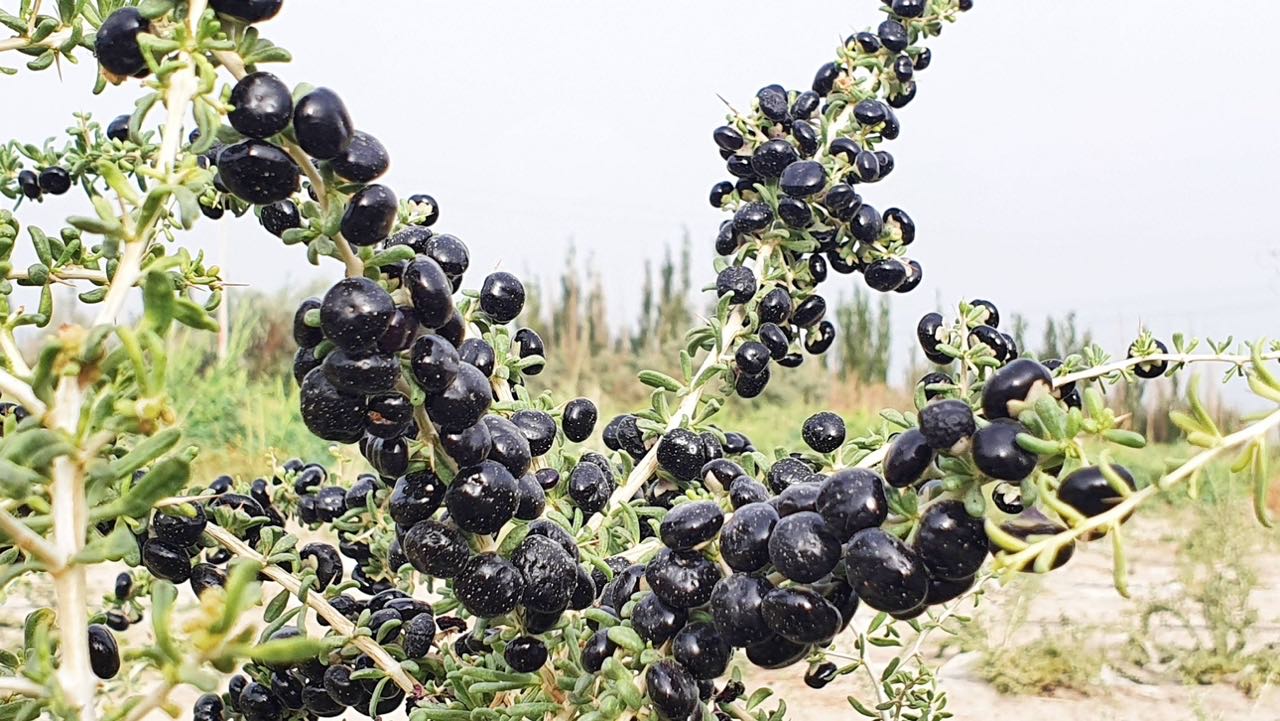
During the process of researching methods for detecting the anthocyanin content in black wolfberries, we developed an interest in the growth process and cultivation methods of these berries. Our city, Nanjing, is located in southeastern China, whereas black wolfberries are native to regions in northwestern China, such as Xinjiang, Ningxia, and Qinghai. Therefore, the transplantation of black wolfberries presents an intriguing research topic.
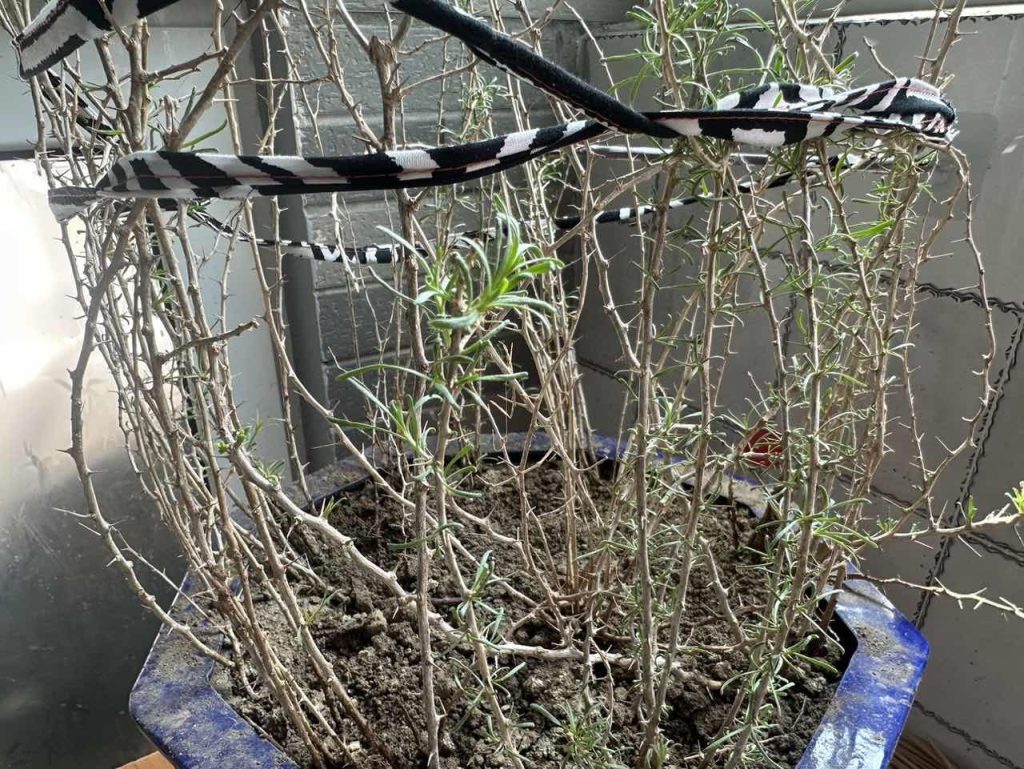
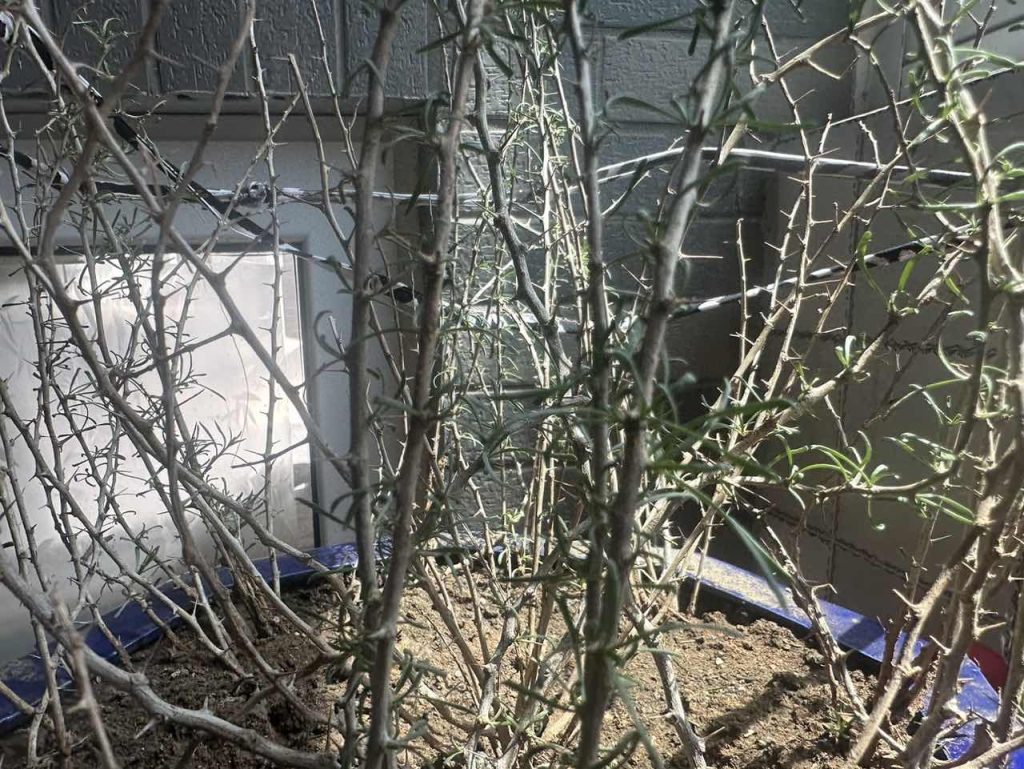
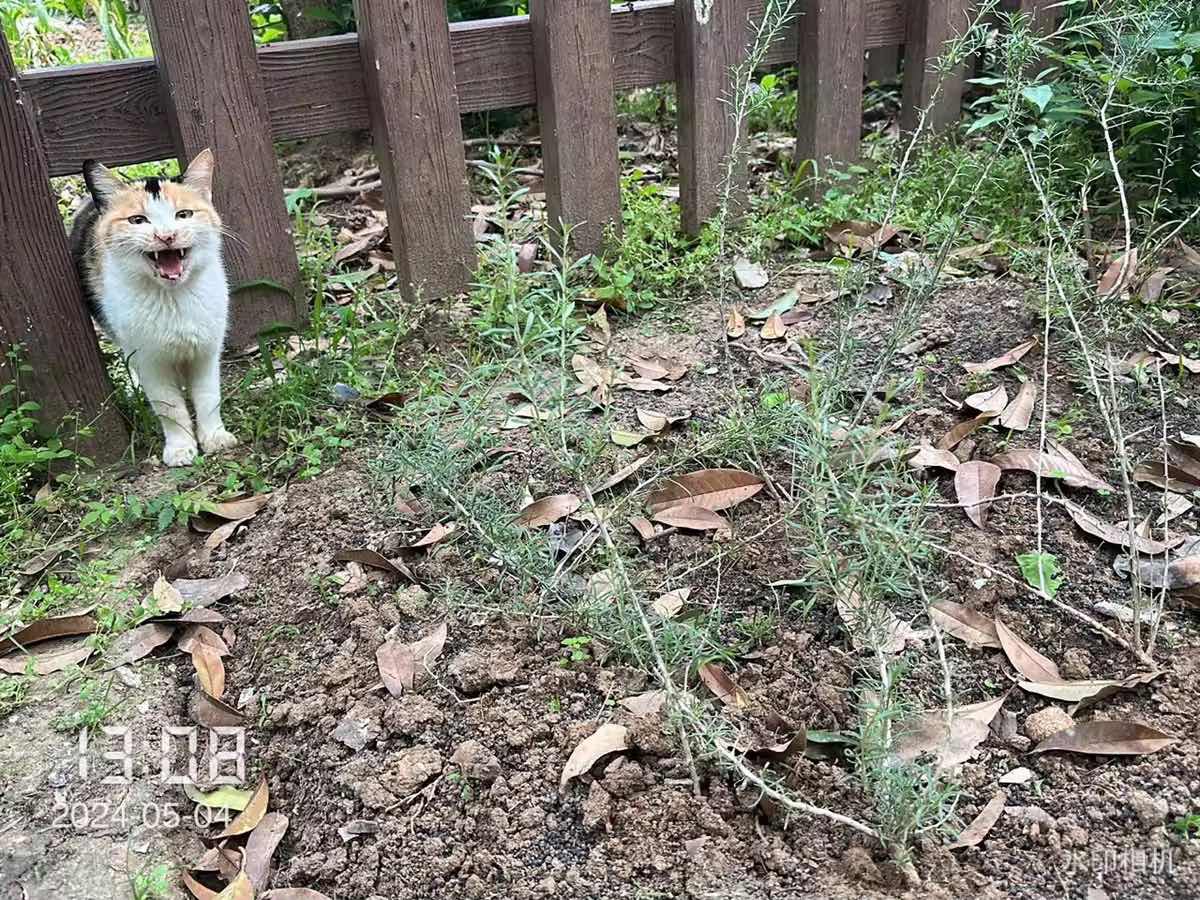
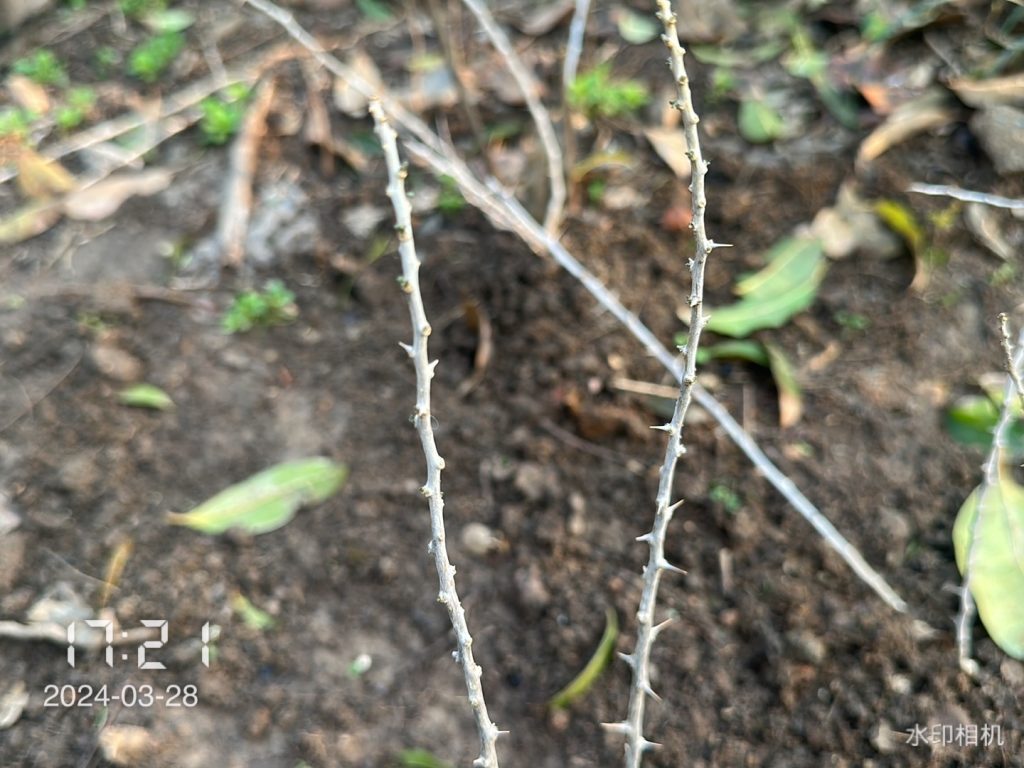
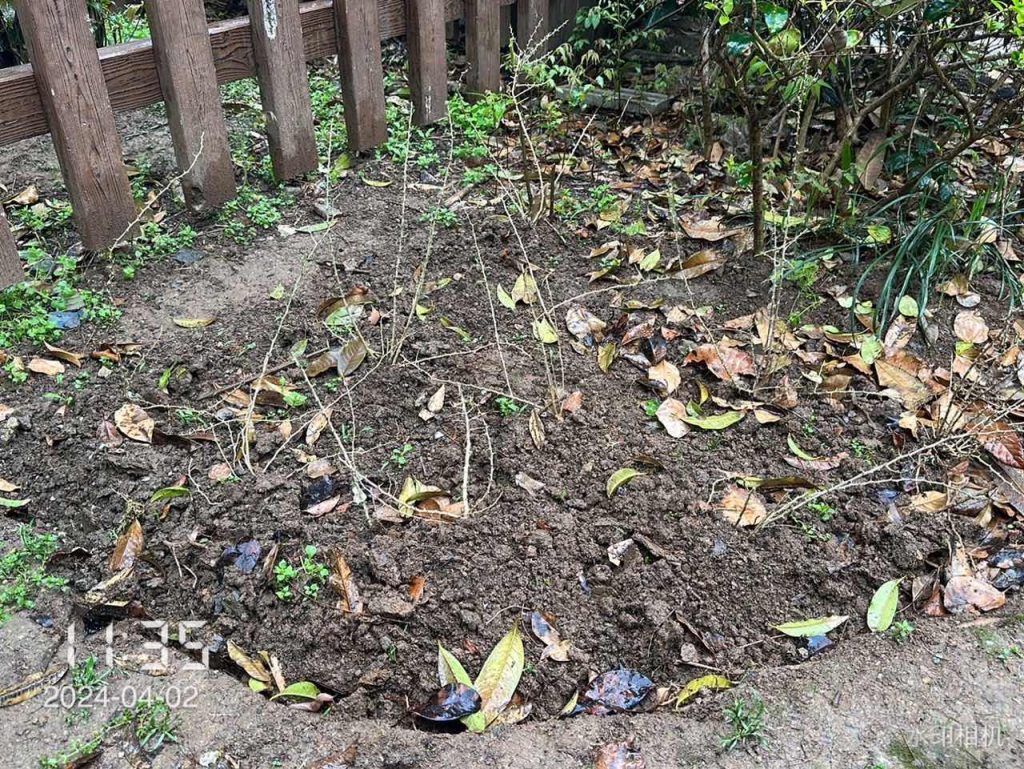
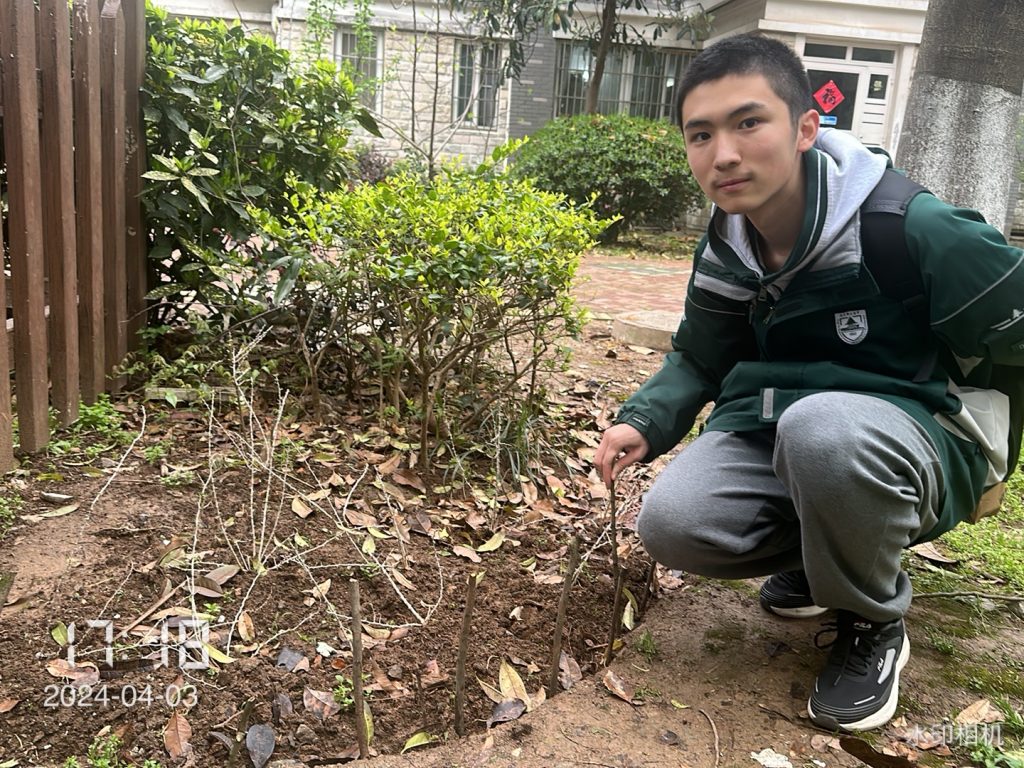
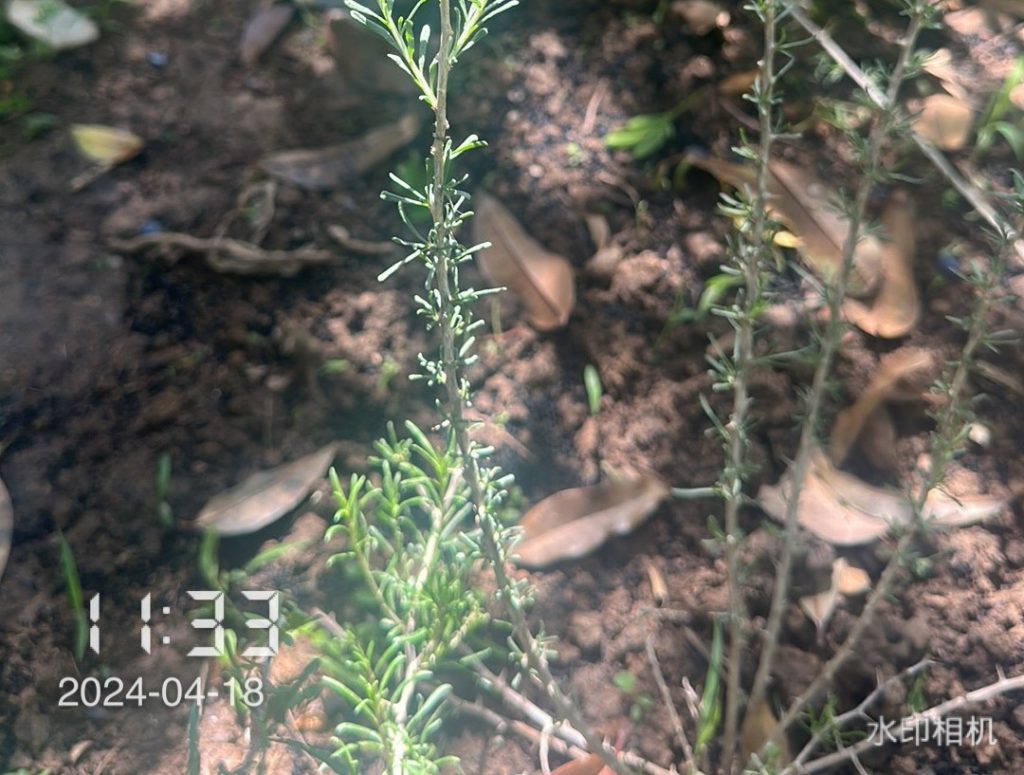
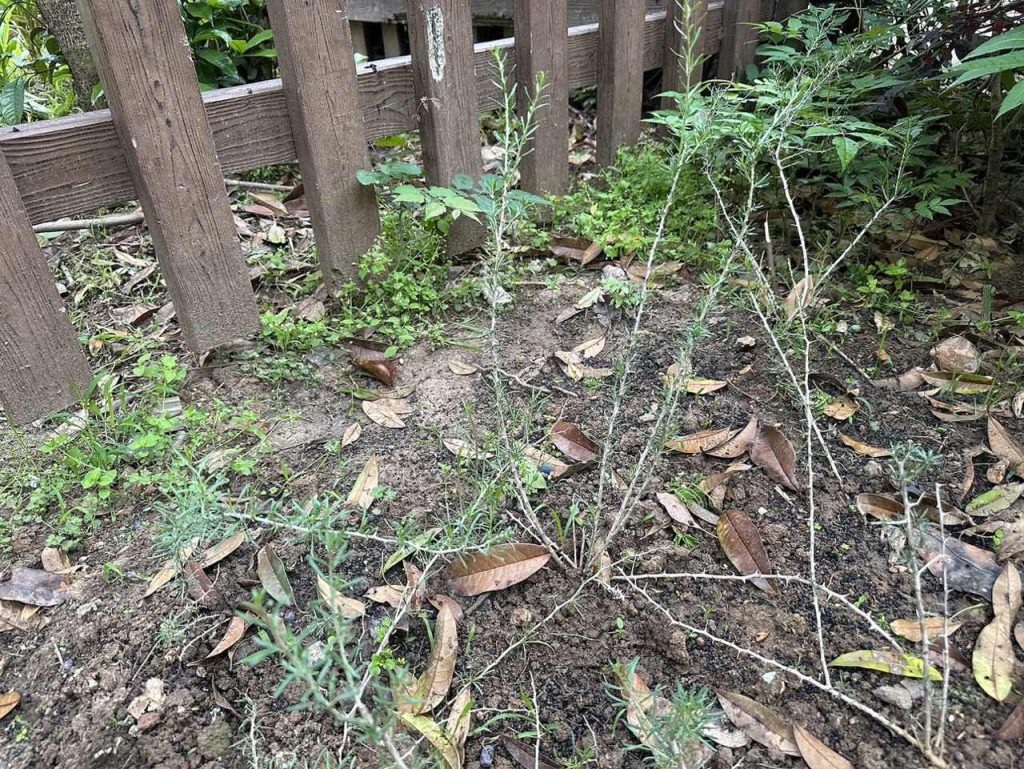
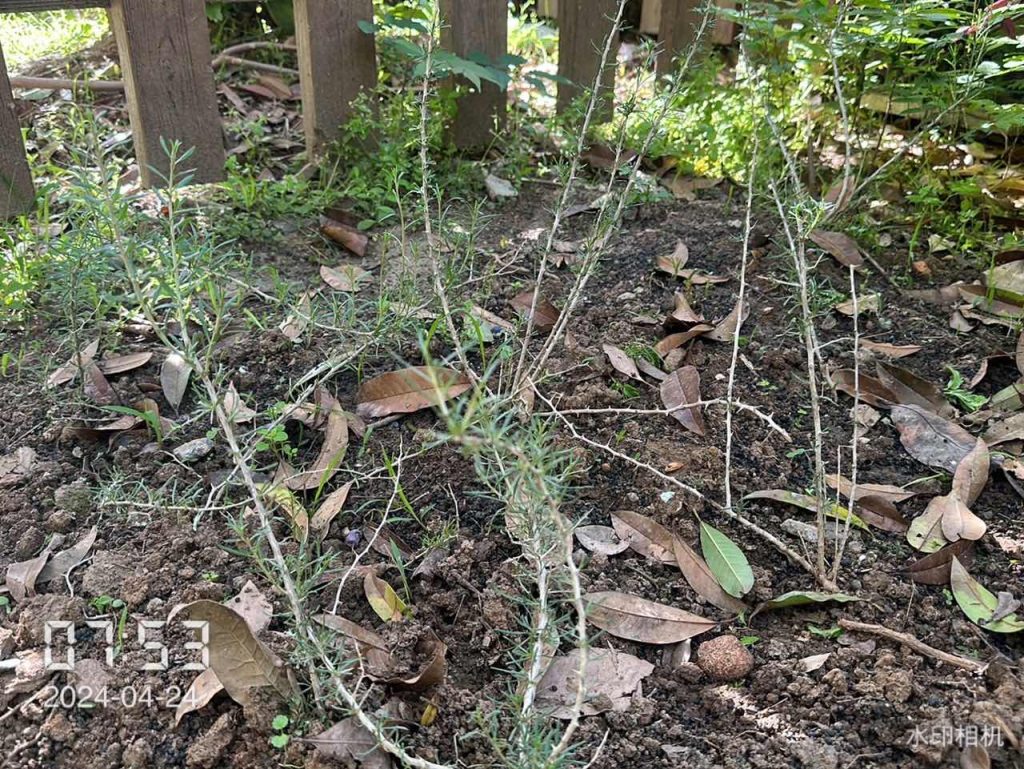
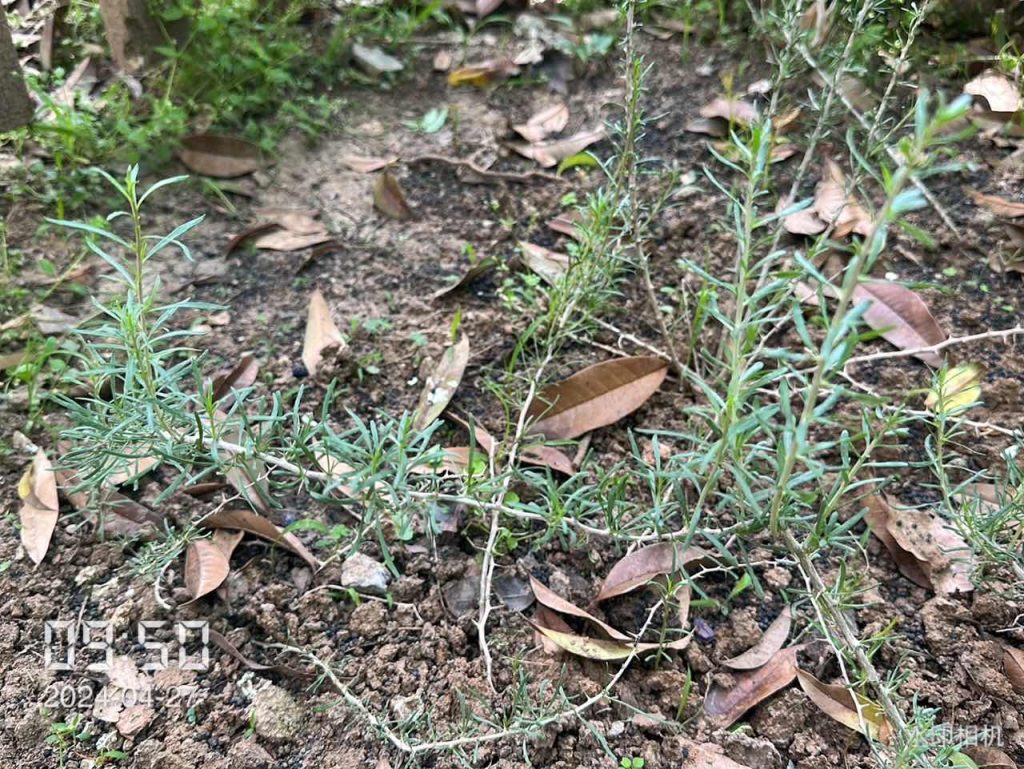
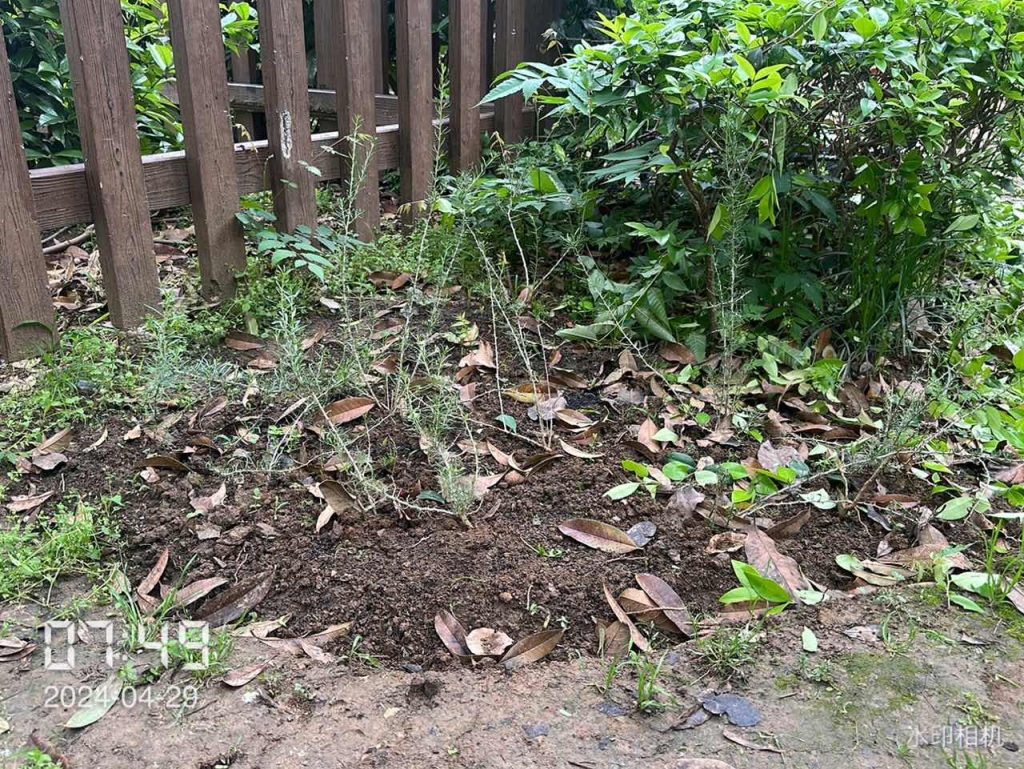
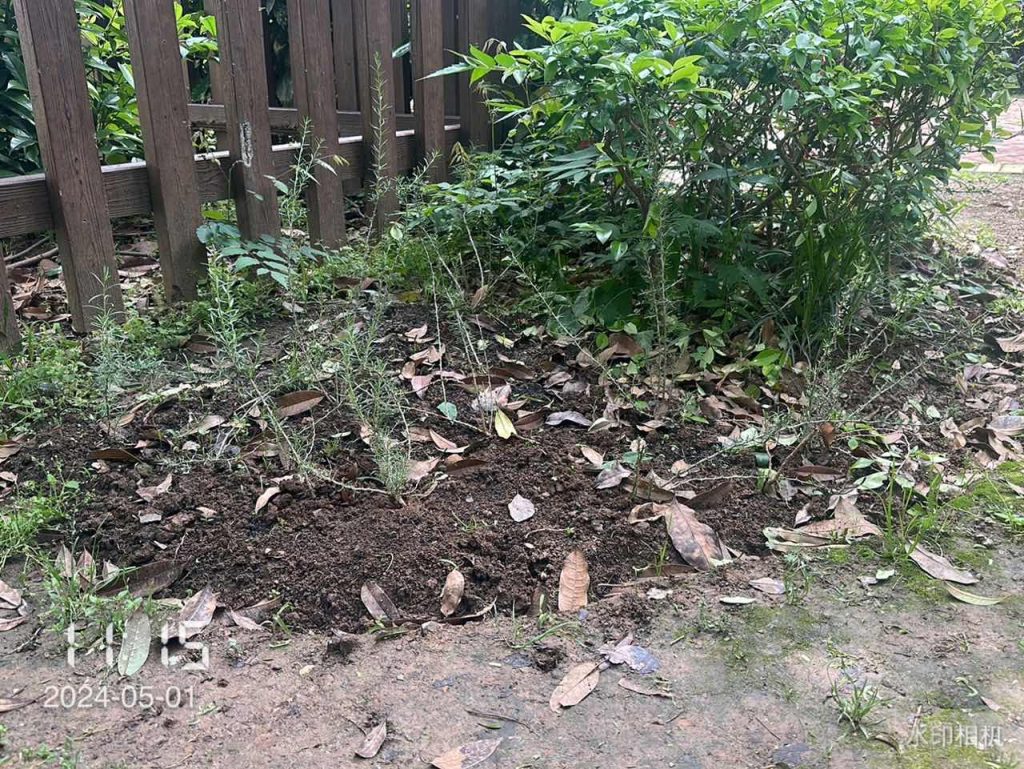
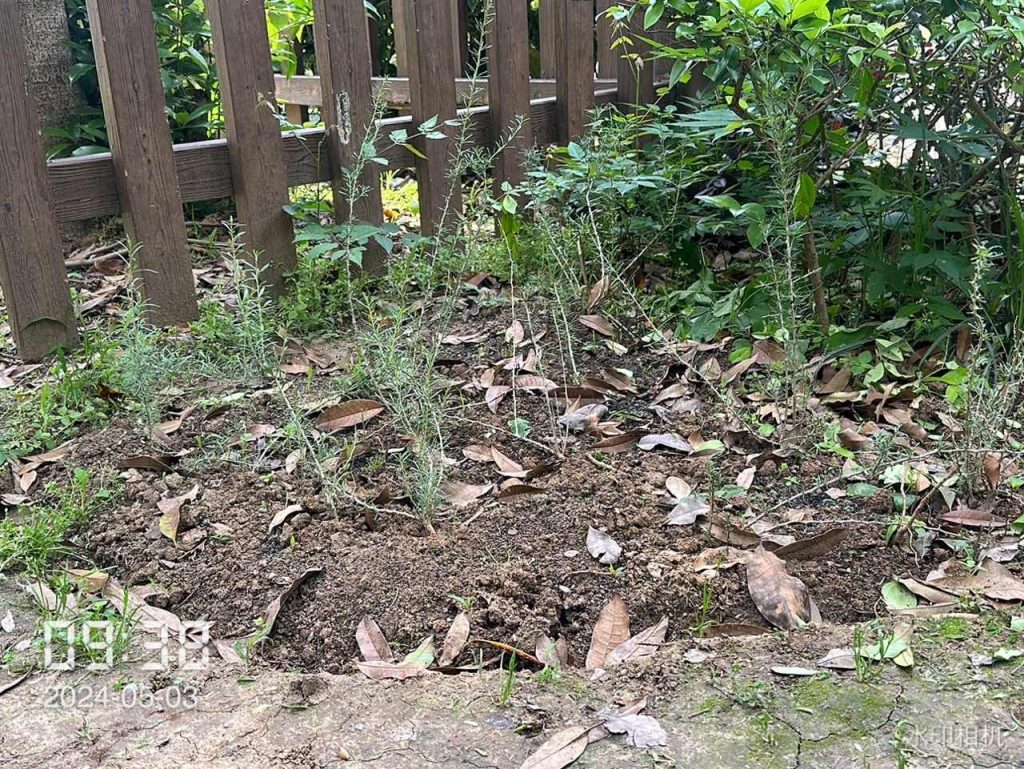
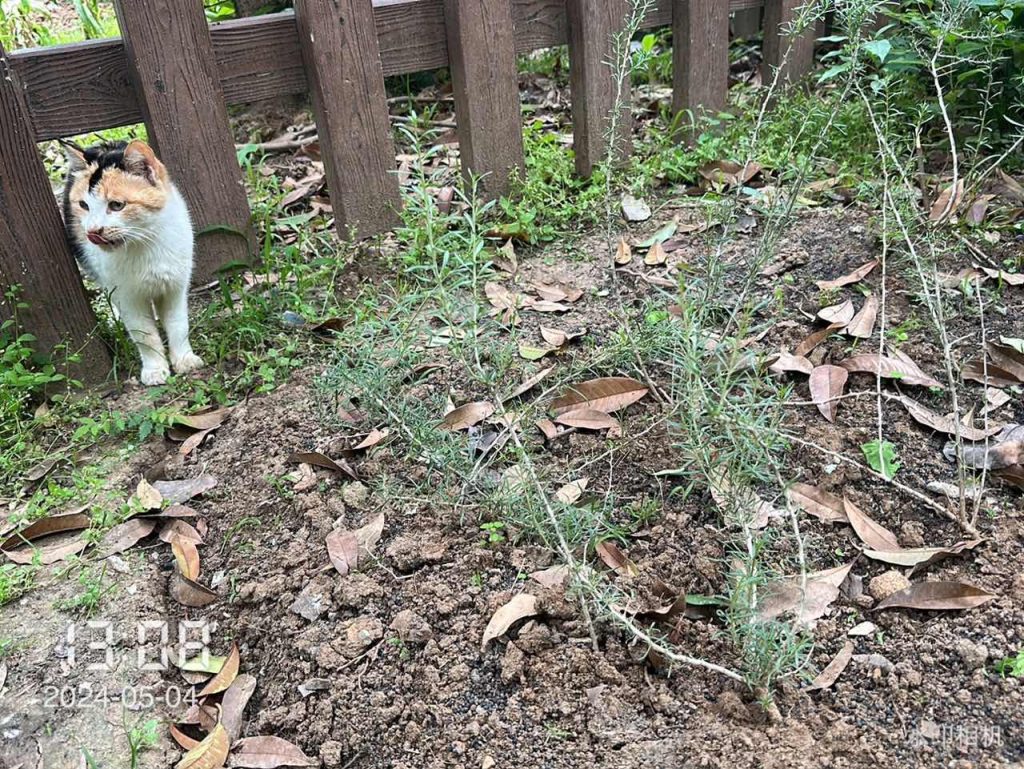
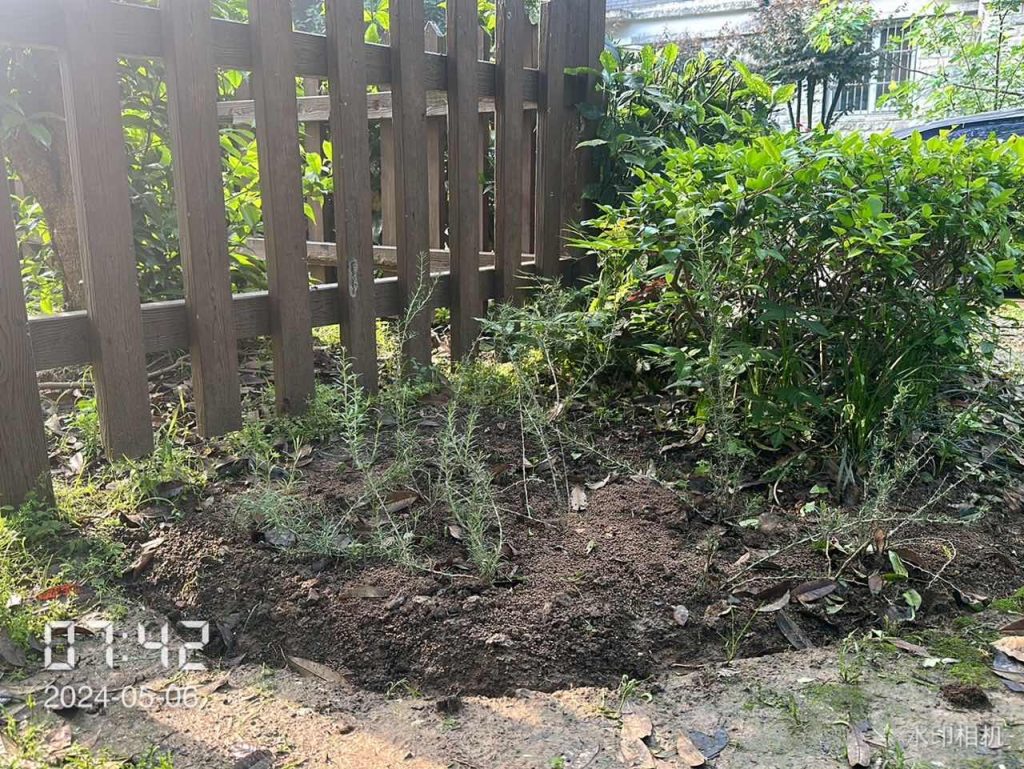
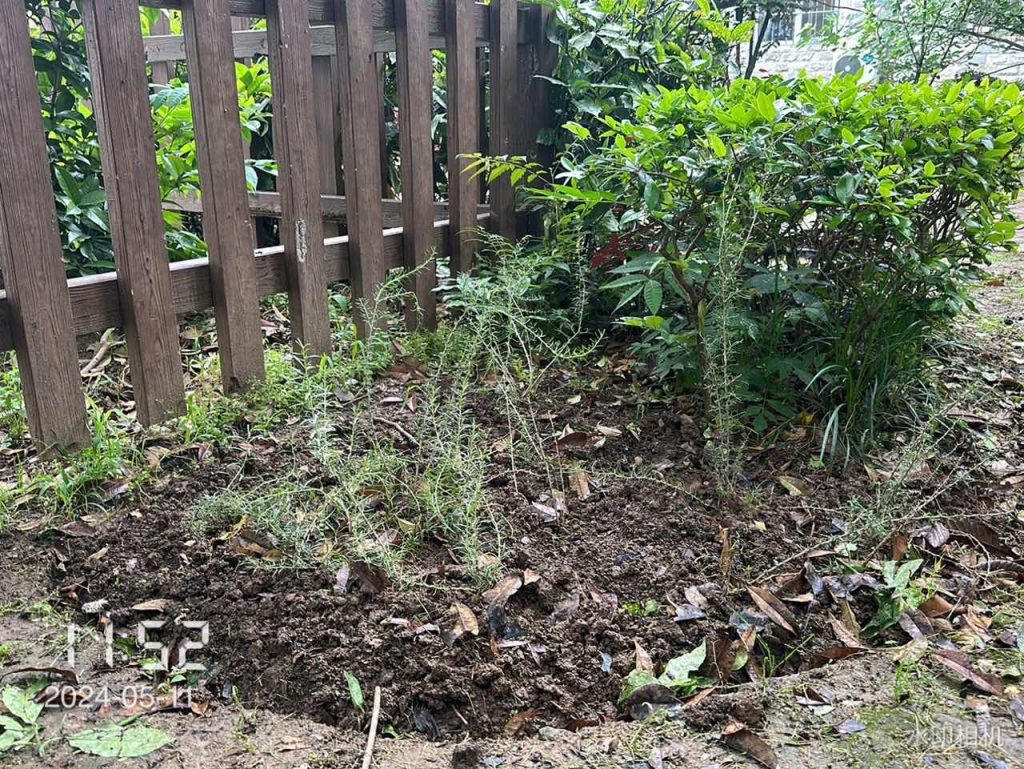
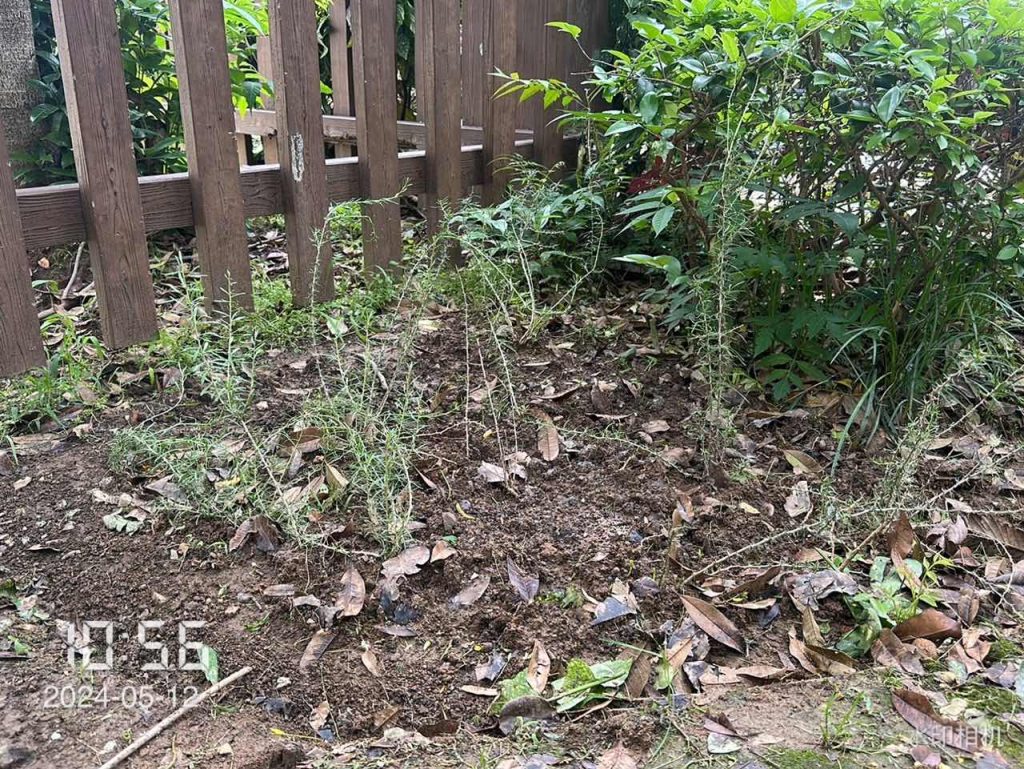
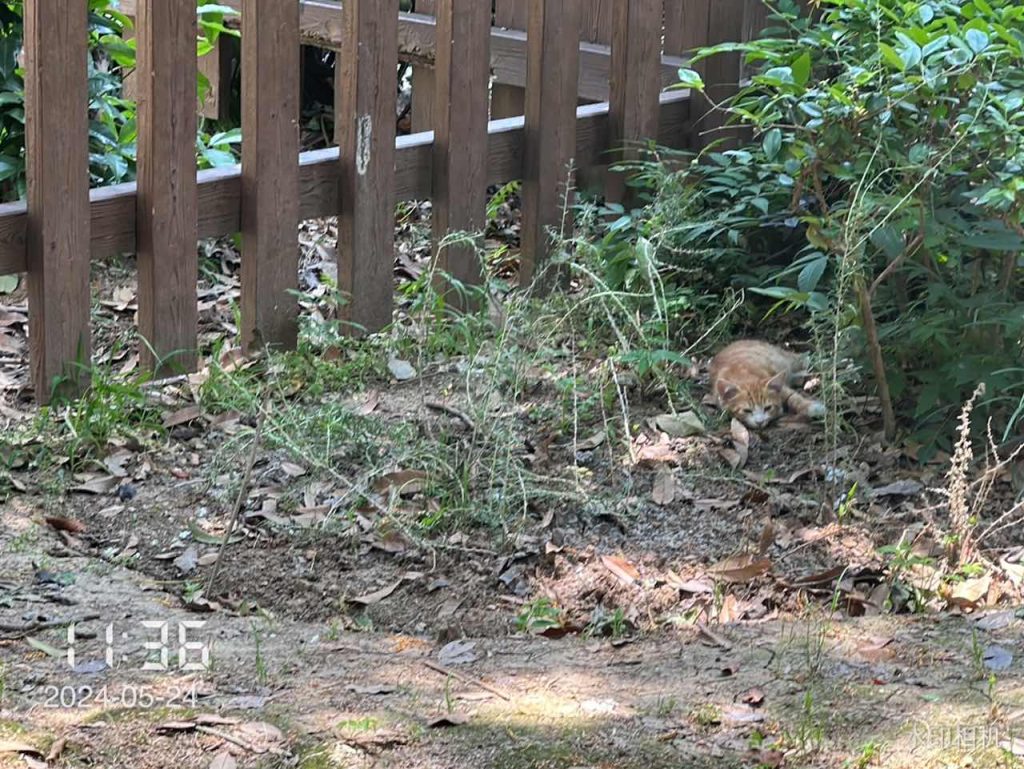
In the spring of 2024, we initially attempted to plant ten Qinghai black wolfberry seedlings in our yard. A group of cats in the yard—Little White, Huahua, and Little Yellow—along with us, witnessed their growth. Unfortunately, after sprouting normally in mid-April and growing for a month, the seedlings gradually withered. For a time, we attributed their demise to the presence of the kittens.
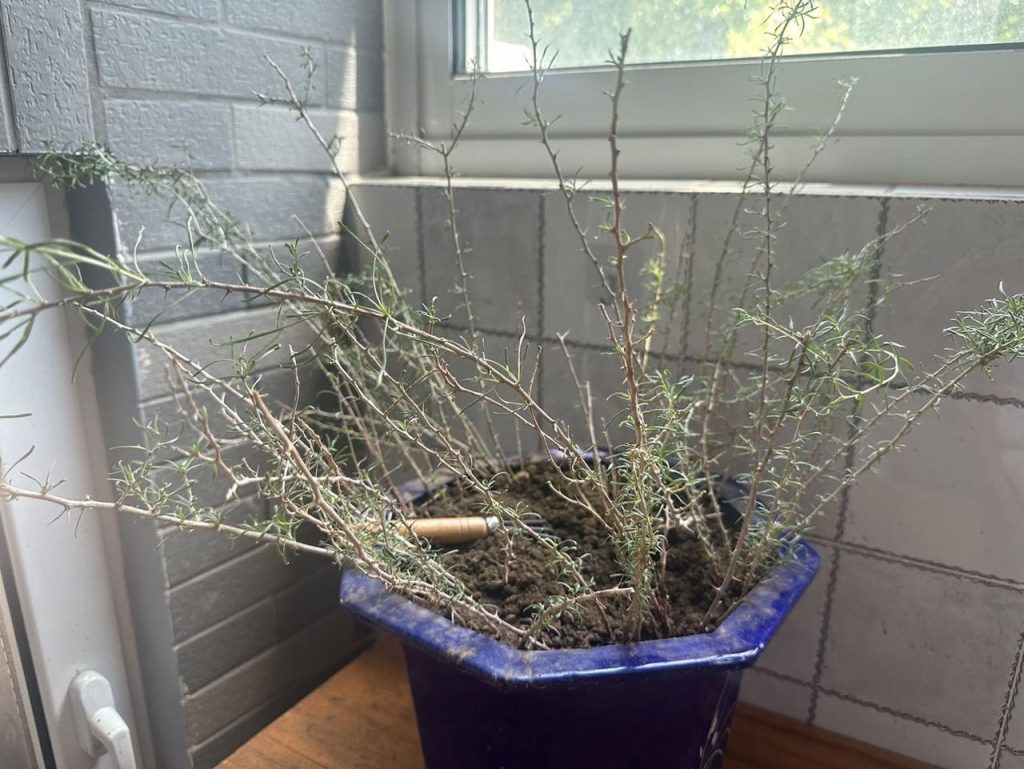
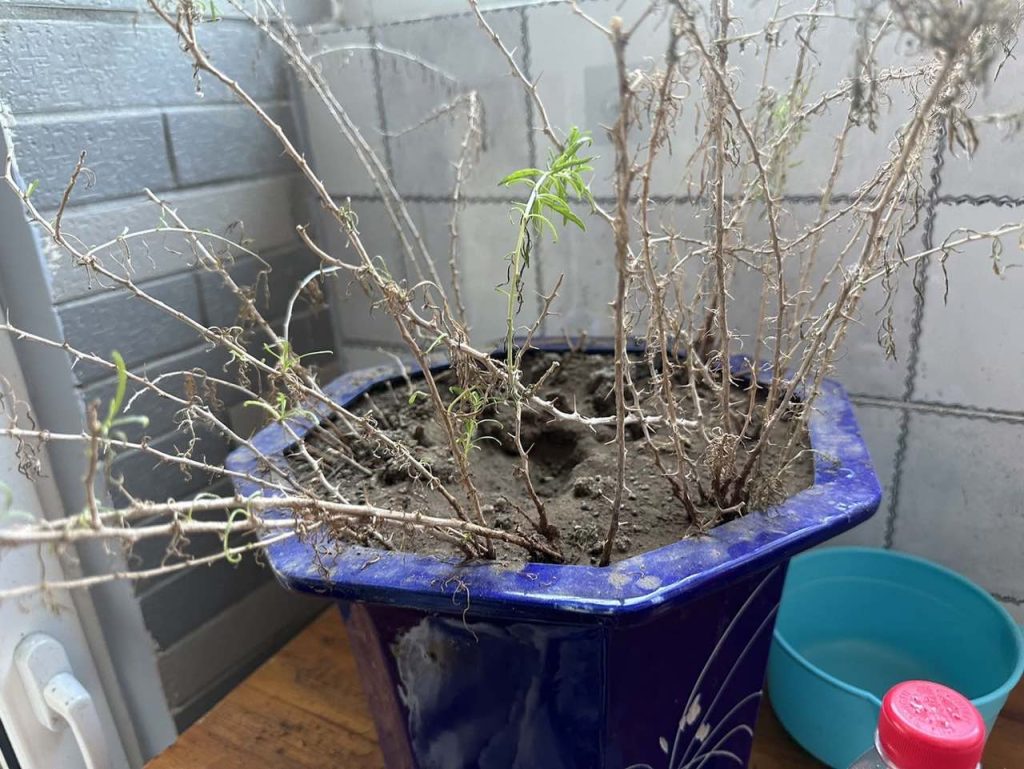
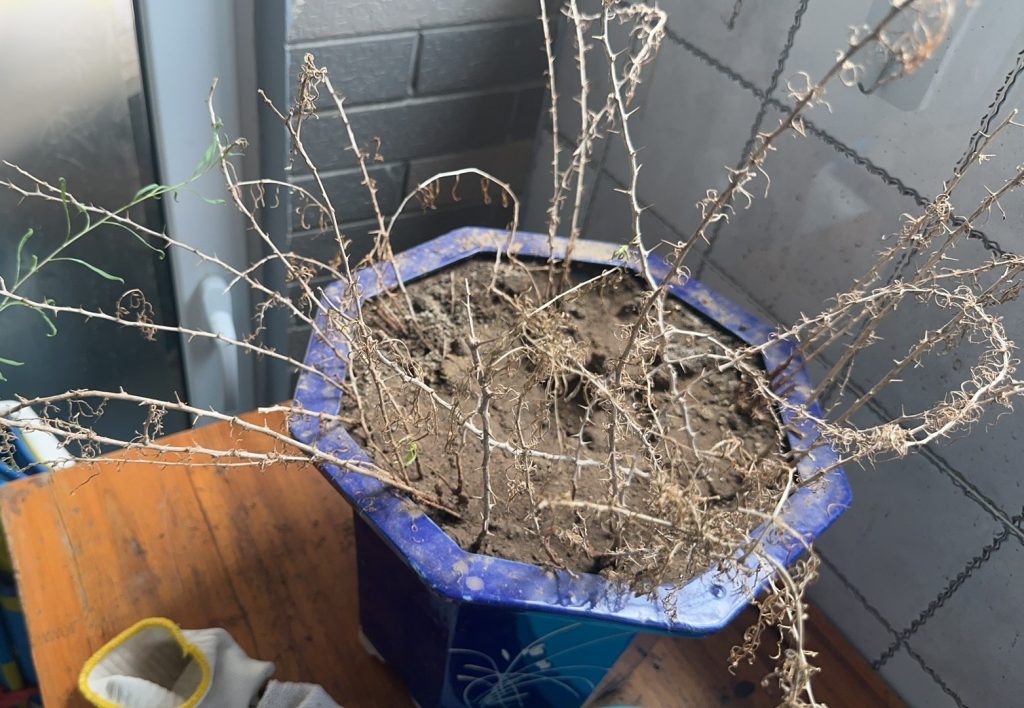
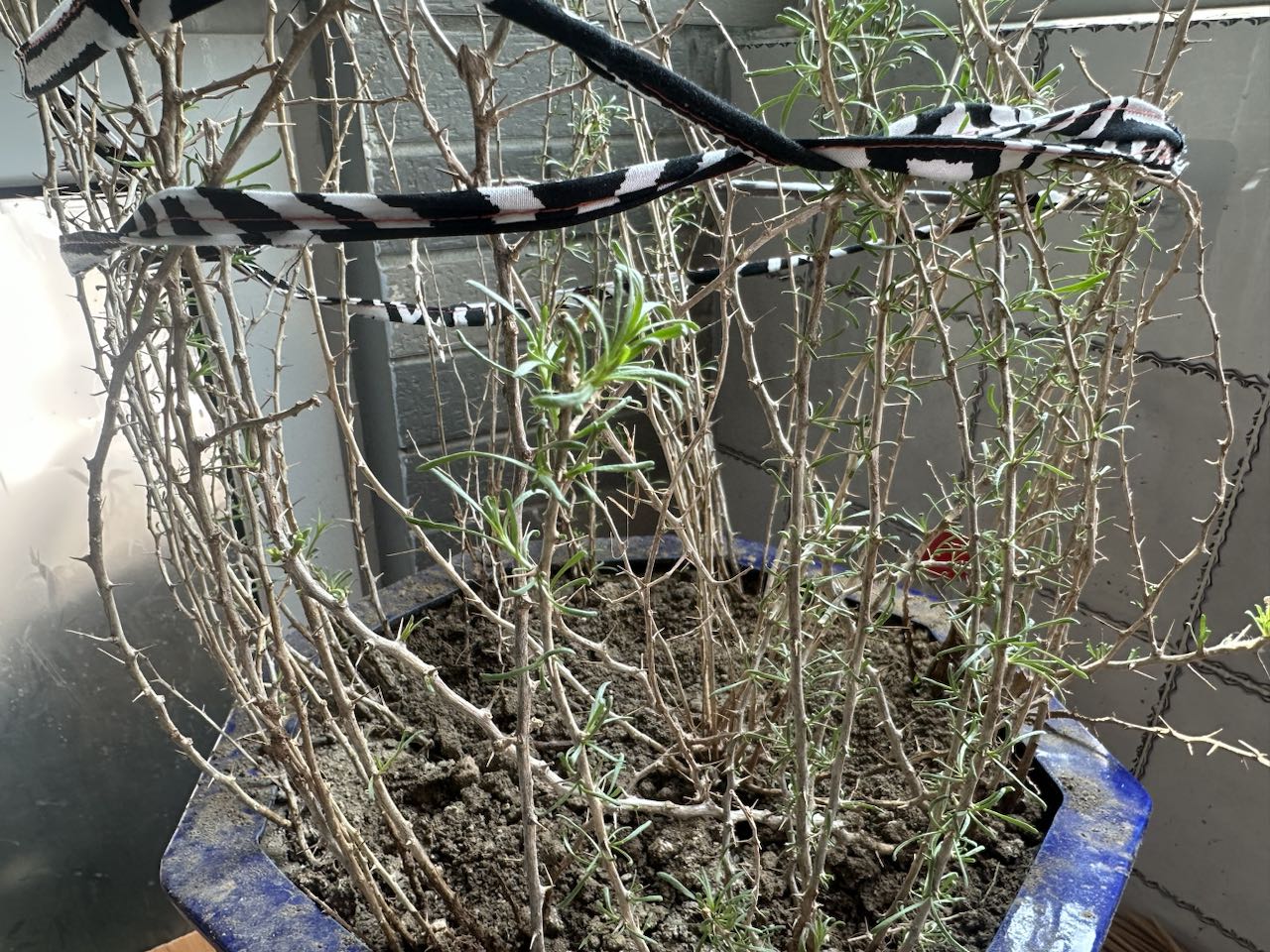
In the spring of 2025, we planted another ten Qinghai black wolfberry seedlings, this time in indoor pots. Everything unfolded similarly to 2024; the seedlings sprouted normally but began to wither step by step after the same one-month period. After ruling out factors such as the cats, light exposure, and humidity, we initially suspected that the insufficient soil depth chosen during the plantings in both 2024 and 2025 prevented the roots of the black wolfberries from growing properly.
Therefore, we plan to attempt transplanting black wolfberries again in the spring of 2026 to verify our hypothesis.
Experimental Process Records
2025
2026