Investigation and Evaluation on Environmental Remediation and Water Quality Improvement of Jiulong Lake.
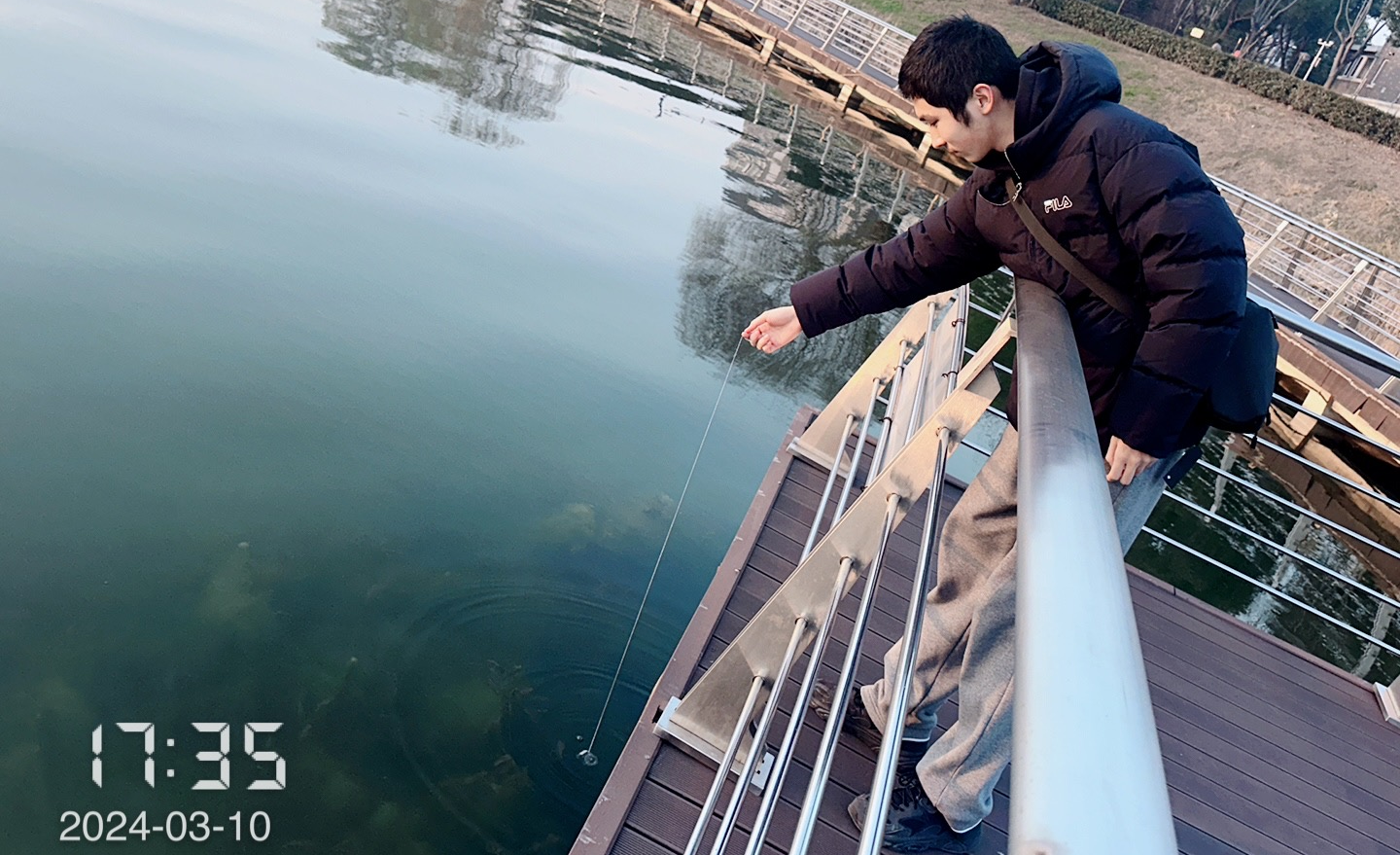
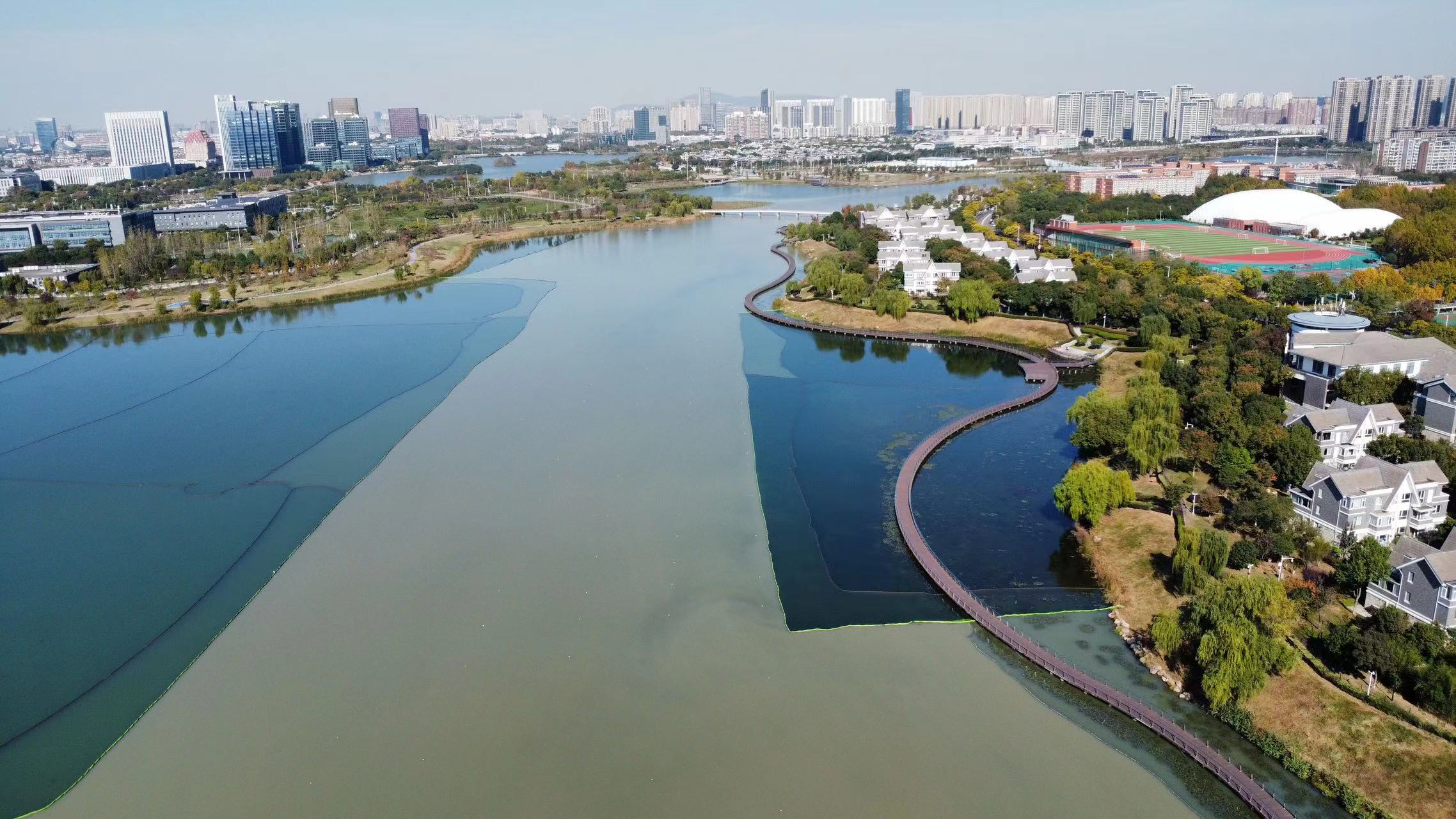
Nestled in the southern outskirts of Nanjing, the 14-square-kilometer Jiulong Lake Wetland gleams like an emerald on the city’s map. This artificial wetland, centered around a 4.6-square-kilometer elongated water body with an average depth of 1.5 meters, traces its origins to a 1956 land reclamation project from silt. Its transformation from a flood-control reservoir to an ecological gem began with a life-changing ecological overhaul in 2018. Since then, members of our club have continuously observed and evaluated the ecological changes at Jiulong Lake, producing documentary shorts to record the process.
Once plagued by murky waters and sparse vegetation, the ecosystem reflected imbalance. The 2018 comprehensive renovation, guided by a vision of “underwater forests,” initiated three-pronged reforms:
Dredging Revolution: Environmental suction dredgers operated for 150 days, repurposing 150,000 cubic meters of dredged silt to nourish park green spaces.
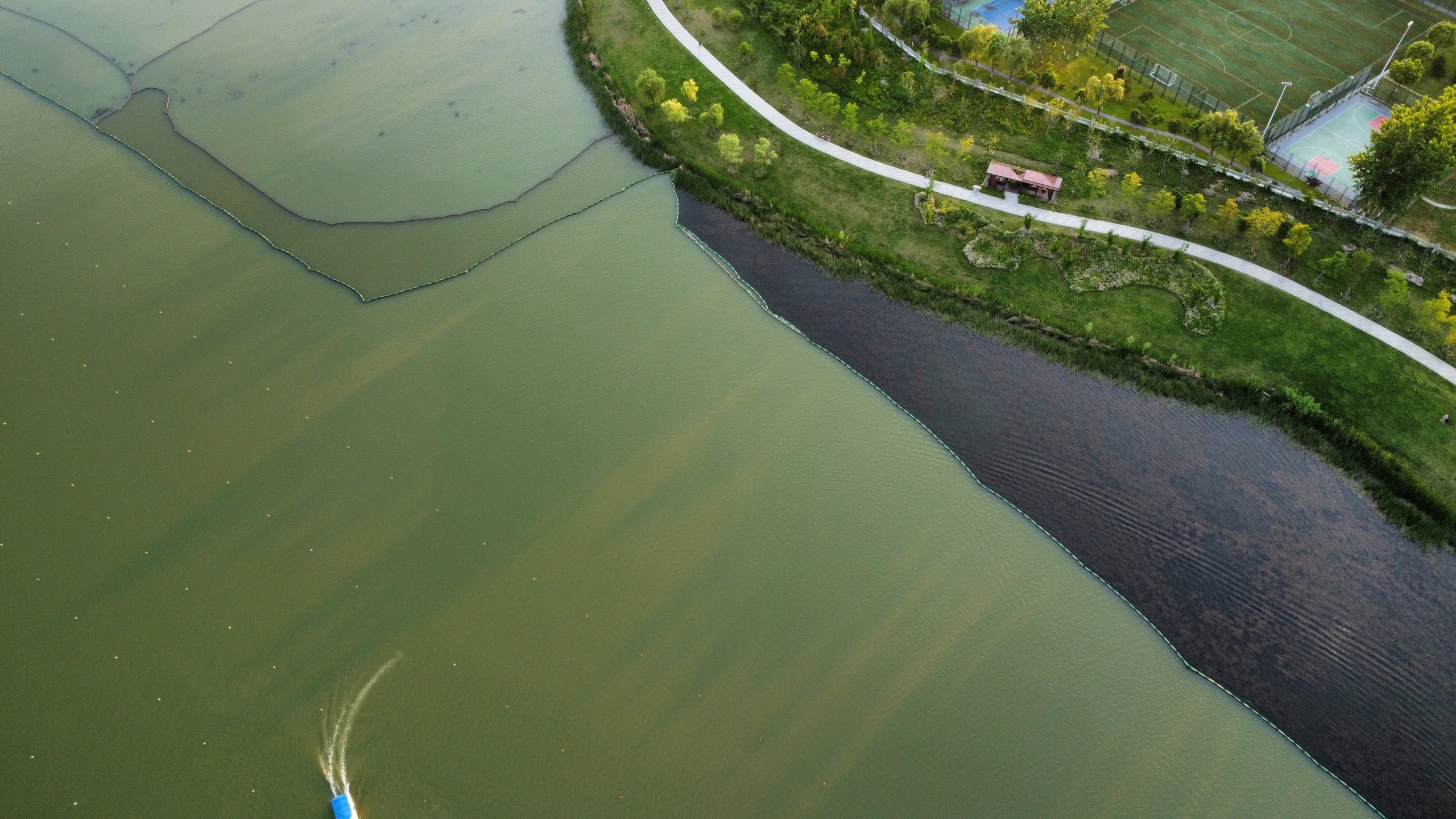
Water Quality Revival: Aluminum-based coagulants purified the water, while temporary plastic membranes partitioned the lake to accelerate sedimentation.
Botanical Symphony: Submerged plants like water lilies, reeds, and algae were introduced across 20.22 hectares, forming biological filters to absorb eutrophic substances and adsorb heavy metals.
The lake’s eastern and western shores were designed as contrasting ecological theaters: East Bank: A vibrant corridor featuring plazas, children’s gardens, and waterfront promenades draws bustling crowds. West Bank: A tranquil zone with boardwalks, reading stations, and sports fields offers contemplative spaces, balancing activity and serenity.
By 2022, seasonal wetlands along the shores displayed distinct flora, with submerged plants visible beneath the surface. Yet challenges persist.
Temporary Barriers: Plastic membranes, intended for short-term use, left scars on the lake, hindering natural self-purification.
Water Quality Fluctuations: In 2024, shoreline water quality scores plummeted to 48, contrasting sharply with central areas.
Maintenance Burdens: Overgrown aquatic plants require costly annual disposal 60 kilometers away. Infrastructure Aging: Aging facilities and fishing rights disputes cast shadows over management legitimacy.
Jiulong Lake’s journey embodies the tension between ecological aspirations and practical constraints. Its true worth lies in proving that artificial wetlands can harmonize biodiversity and economic sustainability. The path forward demands innovation: reducing artificial intervention, mending fiscal gaps, and letting the lake thrive as a model of sustainable coexistence through natural rhythms.