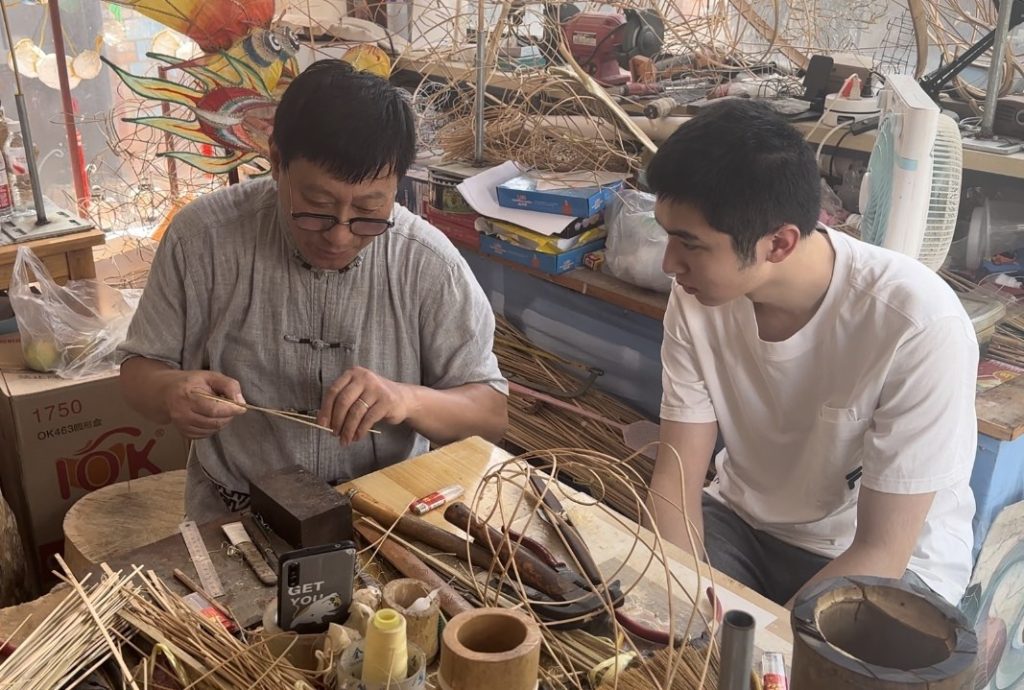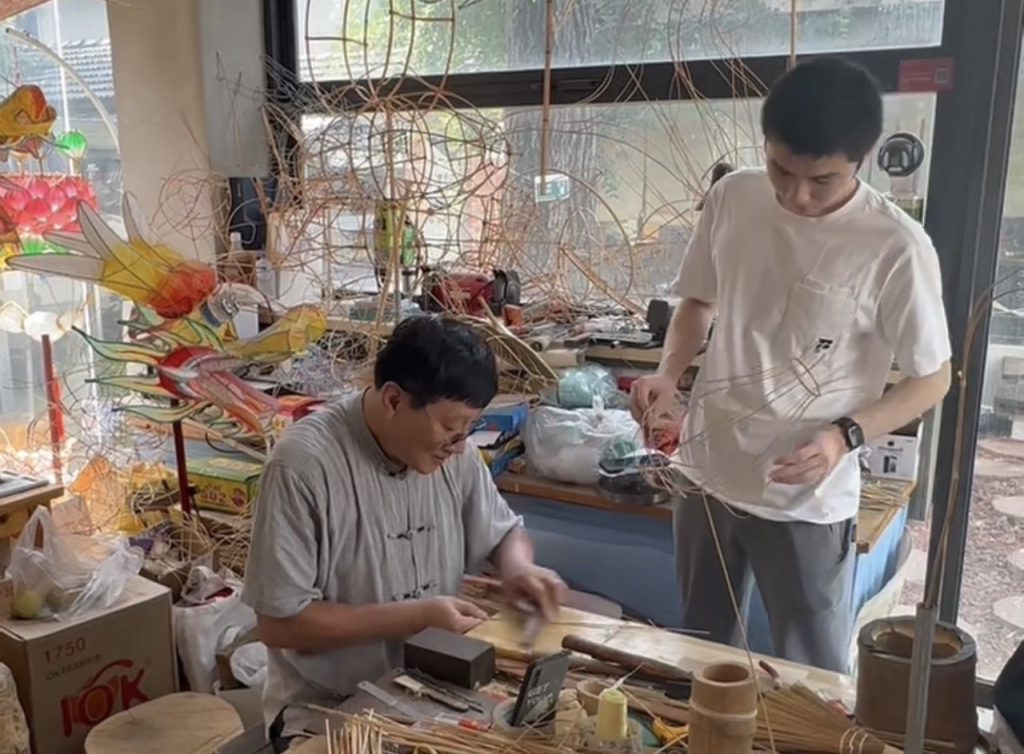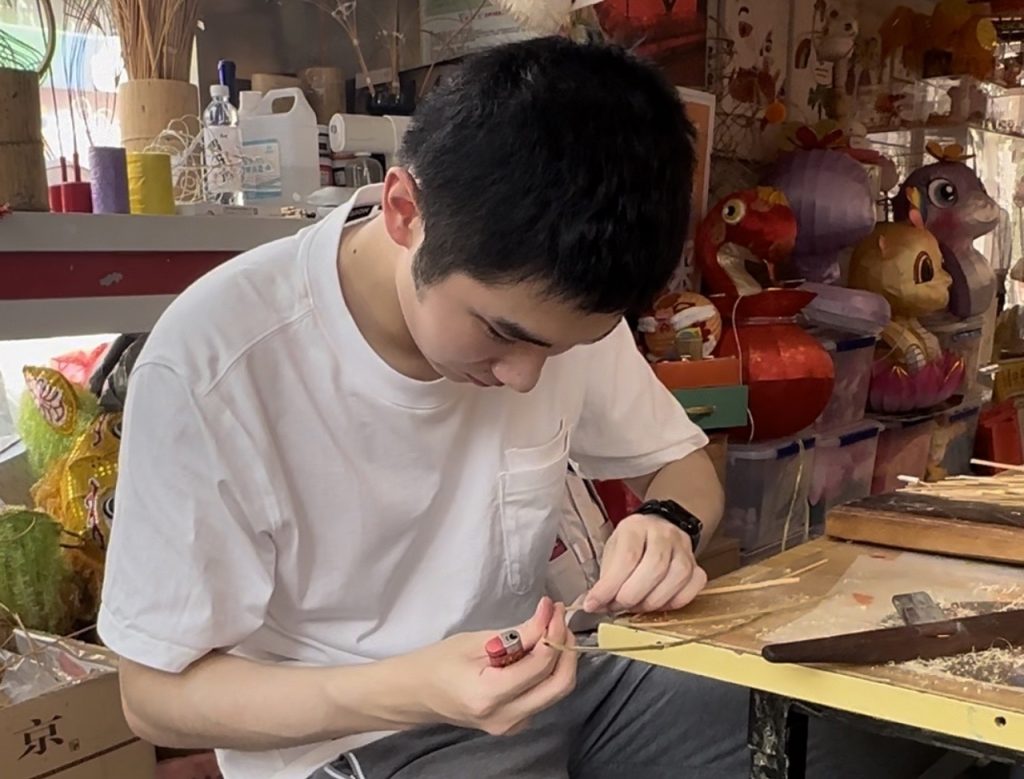
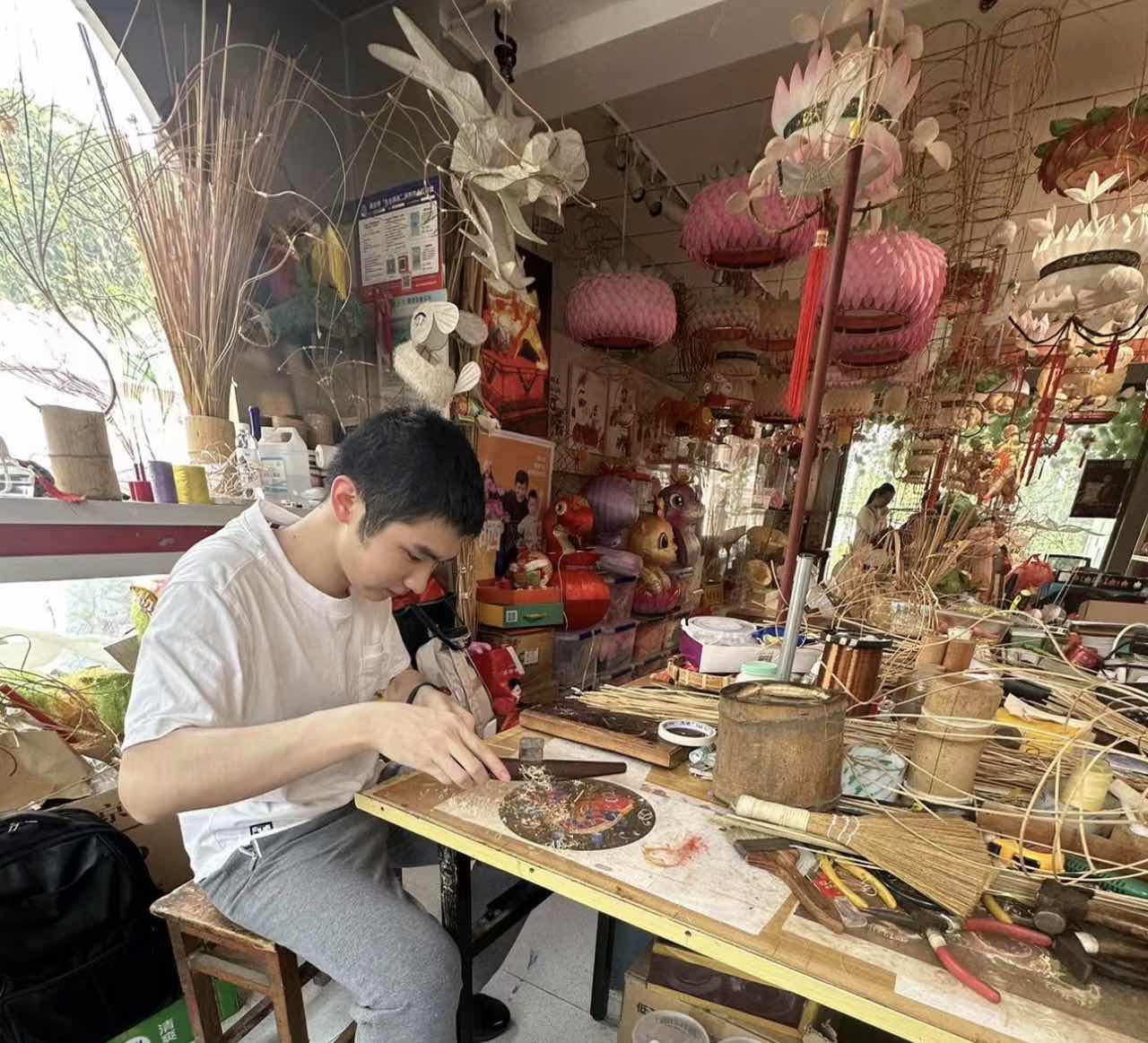
In the basement of the old house, there was always a faint scent of bamboo. When I was eight, I watched my grandfather at his workbench, splitting green bamboo into thin strips with a bamboo splitting knife. The rustling sound of the blade gliding over bamboo joints was like spring silkworms feeding on mulberry leaves.
Grandfather stroked my head and said he’d teach me to make a big rabbit lantern. “Steady hands, calm heart,” he murmured, his wrinkles dusted with bamboo shavings, his breath warm on his frost-reddened knuckles.
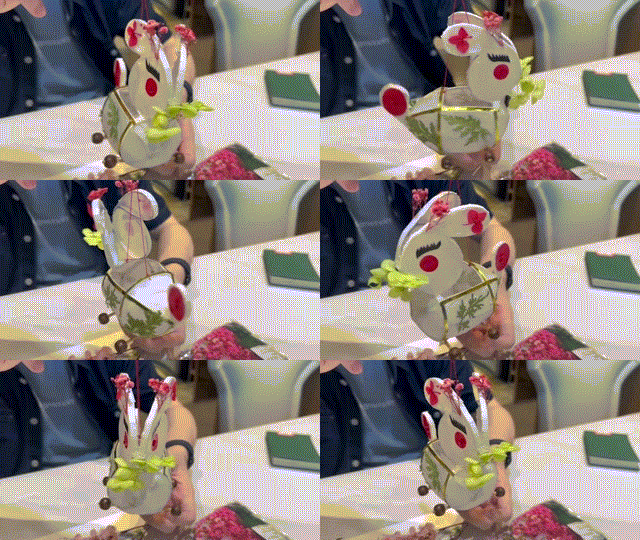
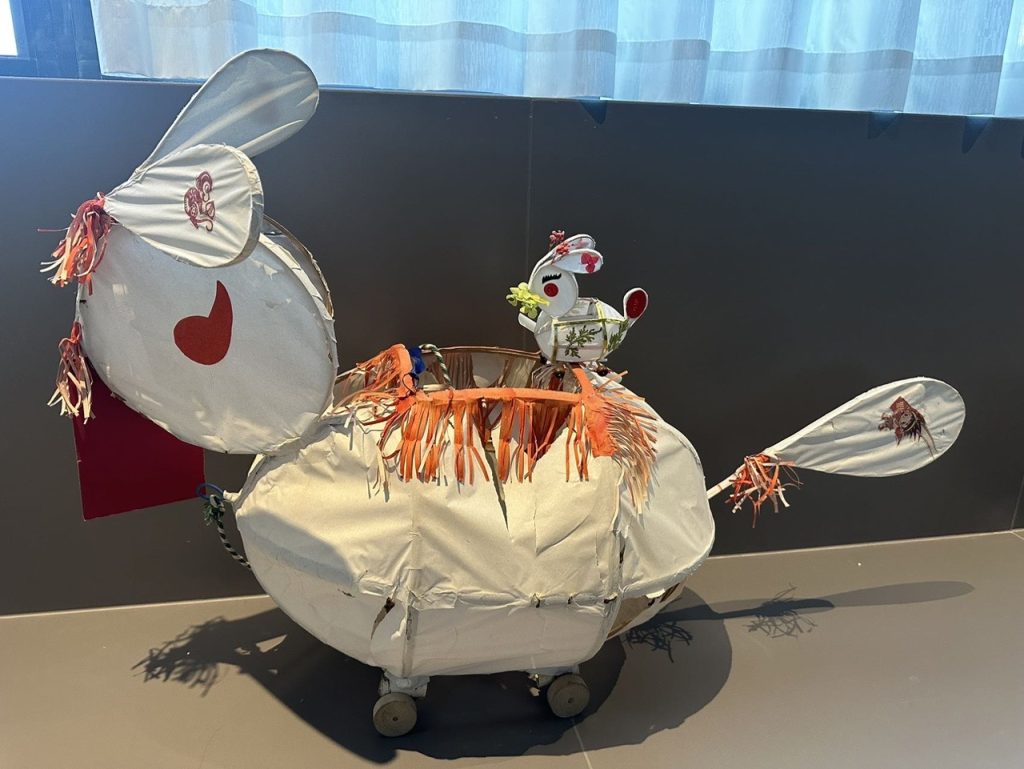
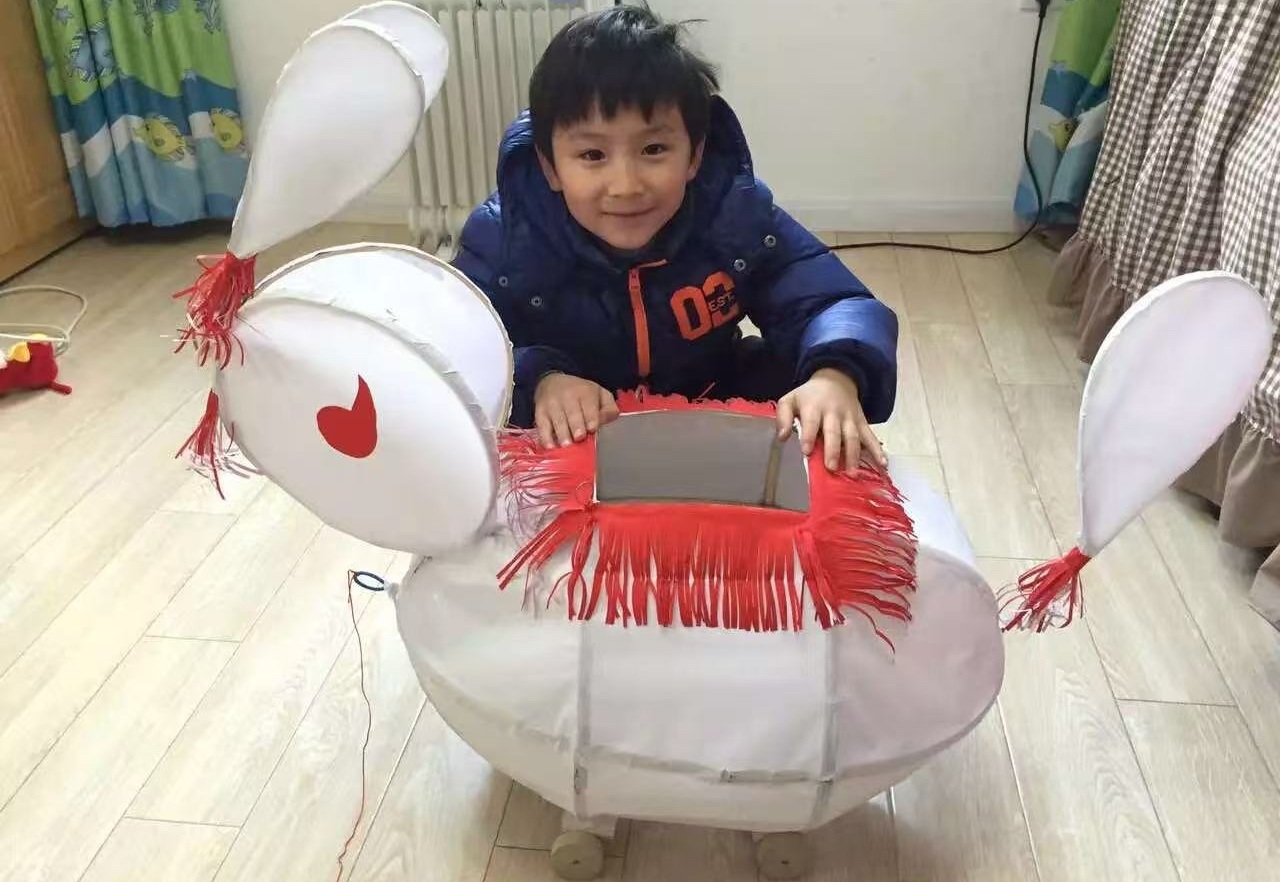
I mimicked him, softening strips over fire and bending them into arcs, but they always snapped at the crucial moment. My first rabbit lantern was born from those trials—larger than me, with a plump white body, red eyes, and a goofy charm.
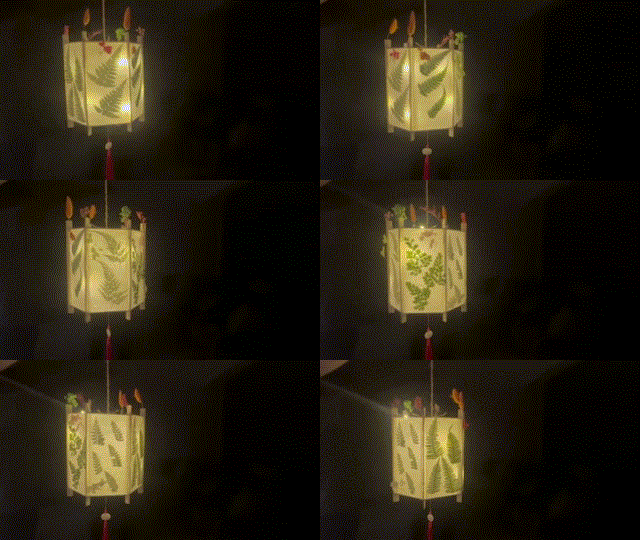
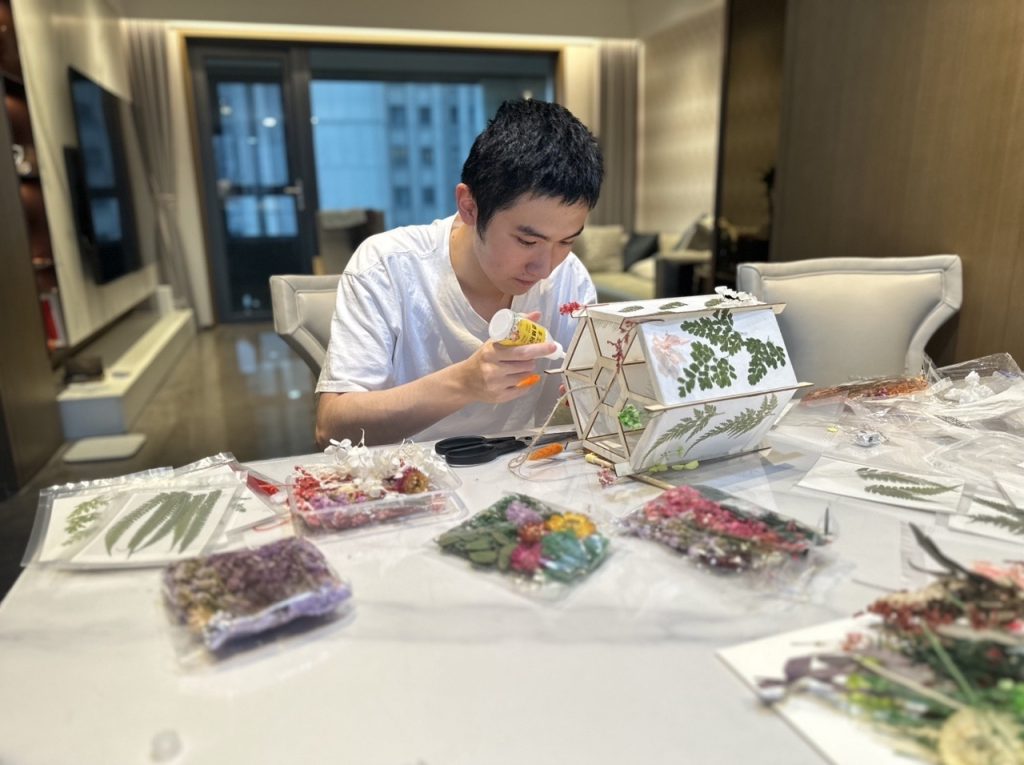
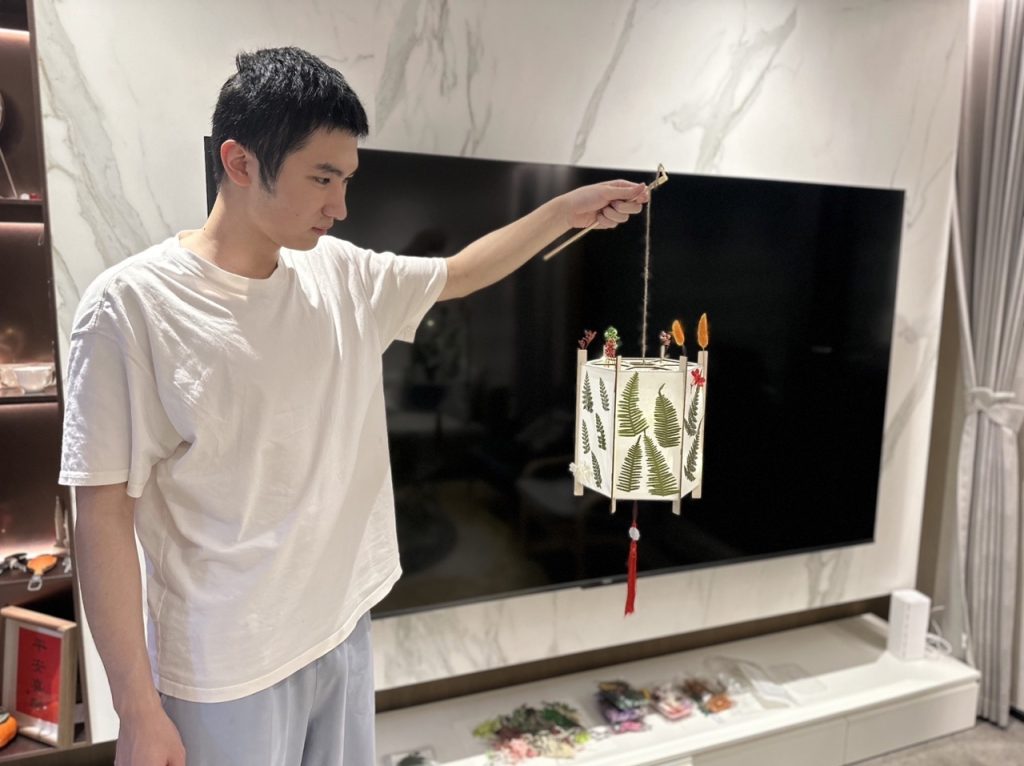
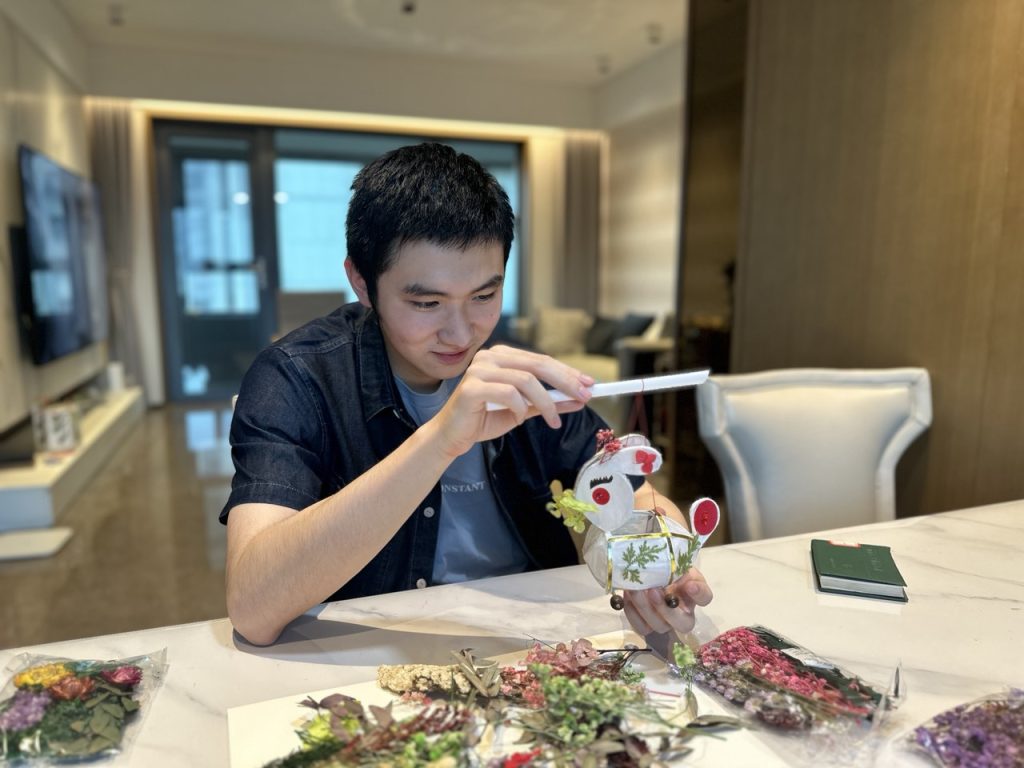
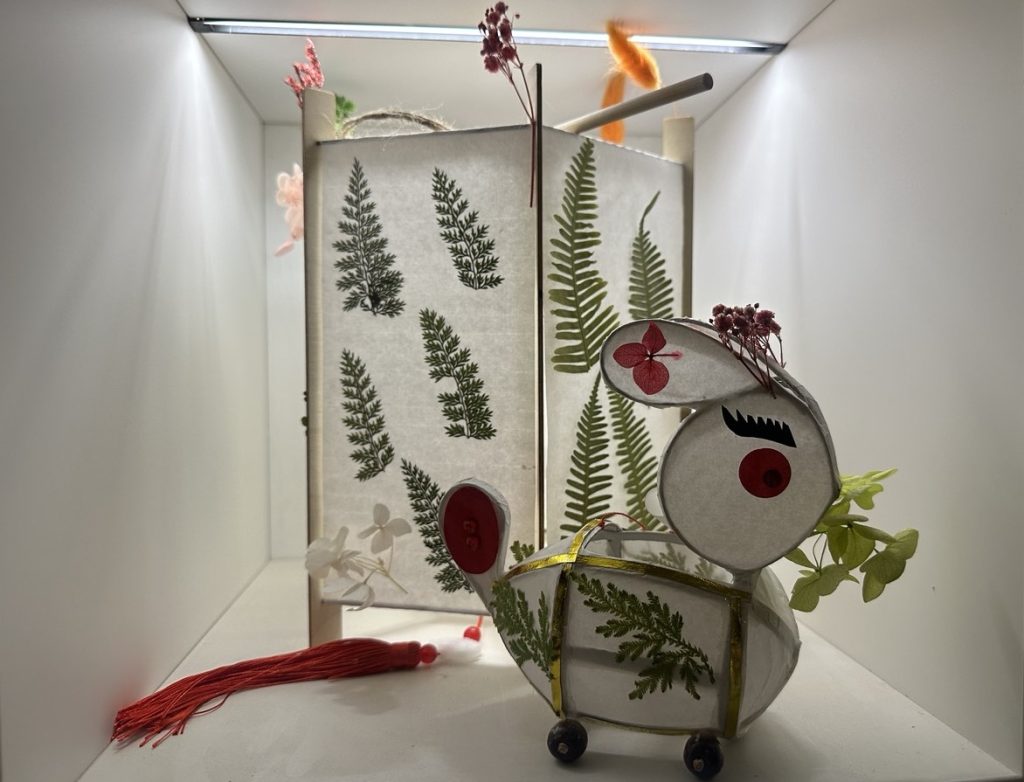
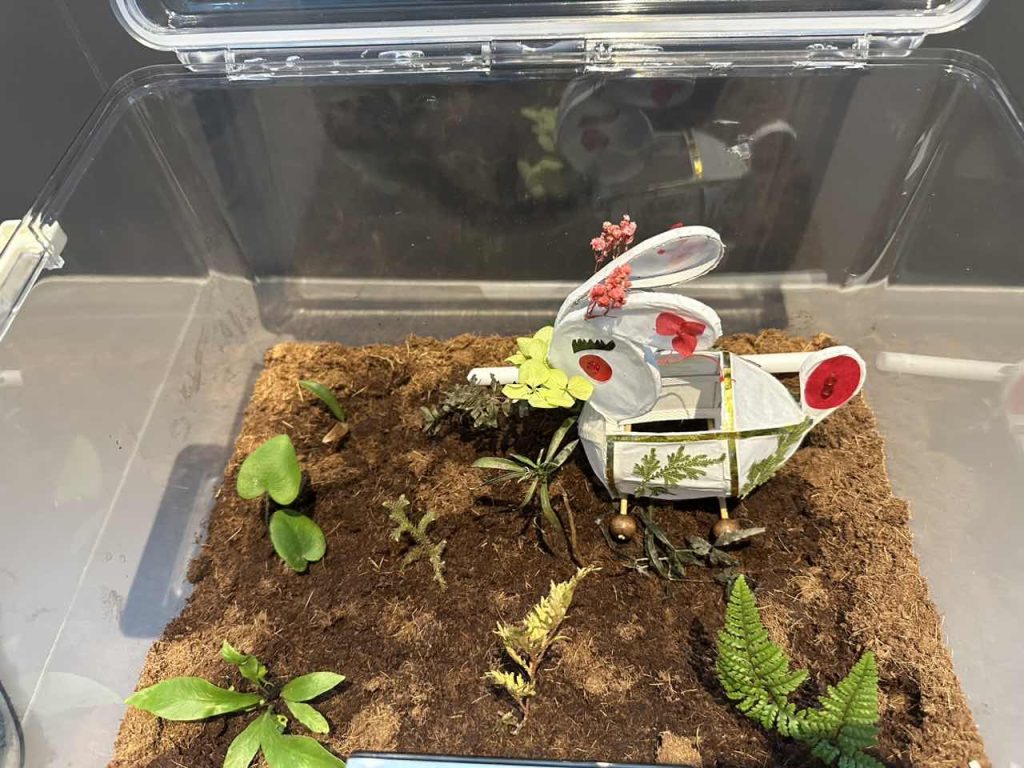
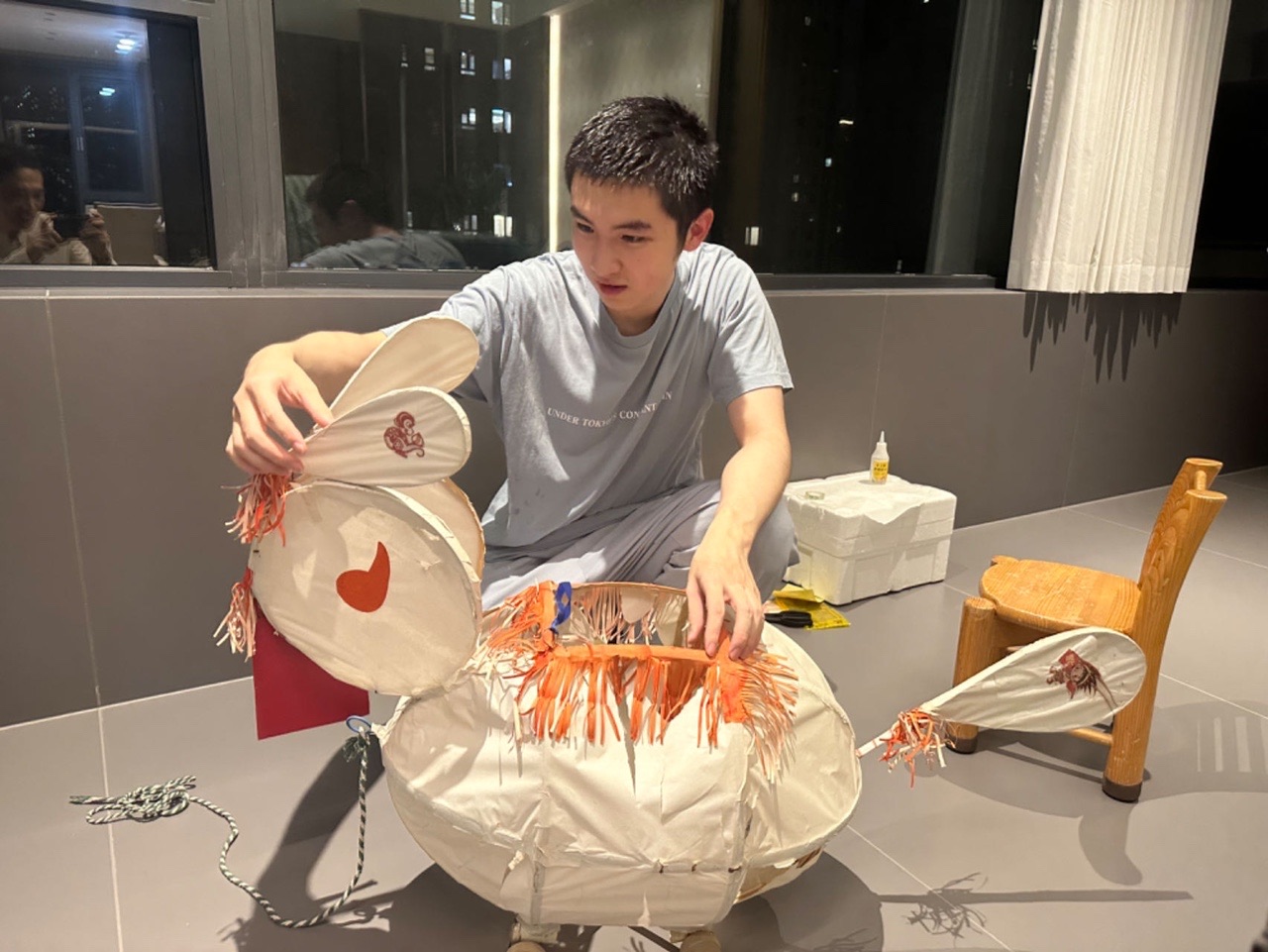
That lantern grew up with me. Every year, Grandfather taught me new designs of lanterns. A decade passed: his hair turned snow-white, the rabbit’s paper tail sagged, and I mastered more lantern styles. I began adding my own touches—replacing candles with LED lights, dressing lanterns in pressed fern leaves and dried flowers for an eco-friendly twist.
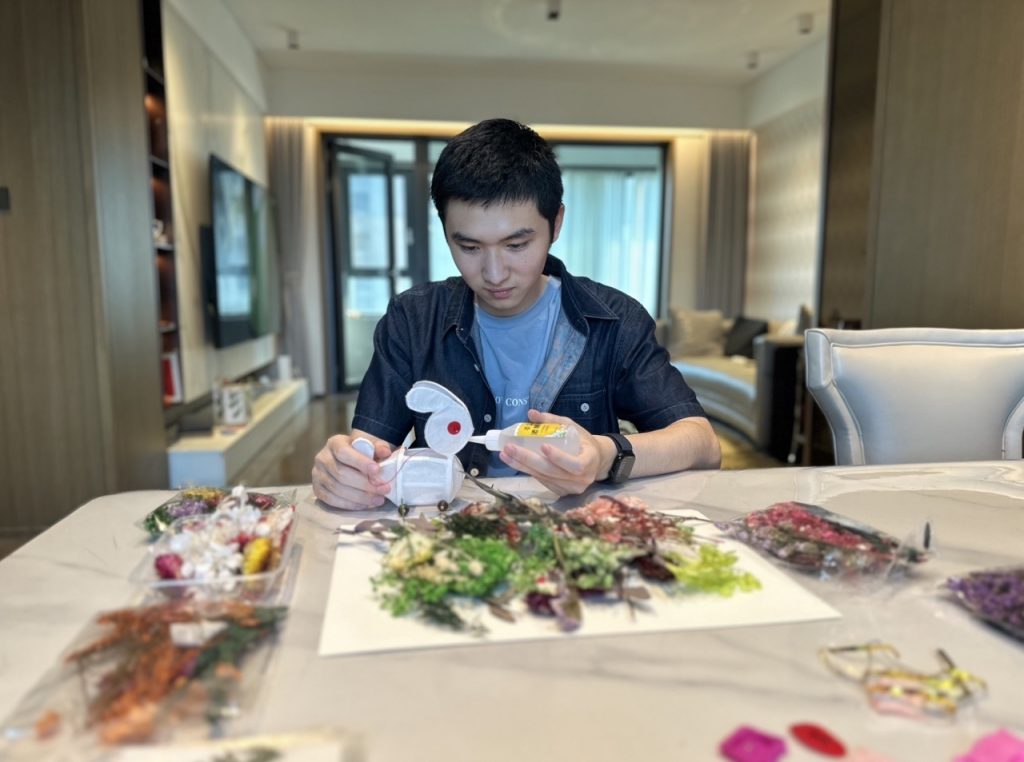
Now my room holds two treasures: a hexagonal palace lantern my grandfather taught me, now cloaked in luminous fern fronds like a trendy potted plant; and my grass-munching bunny lantern, a youthful sibling to the original.
The making and improvement of traditional lanterns have sparked the interest of more young friends around me, and they have gradually joined the ranks of those learning lantern-making. When teaching club members to make lanterns, I hand them the bamboo knife with the same patience my grandfather showed me: “Take your time. Bamboo has its own growth rings.”